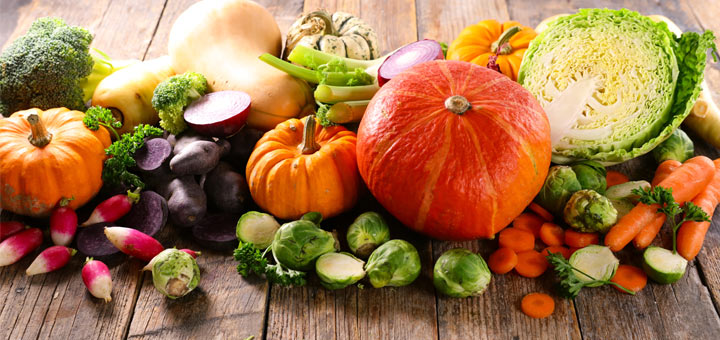
It’s officially winter, people! Just because the weather is colder and the decorative lights adorn houses, that doesn’t mean that fresh produce takes a backseat to comfort foods. In fact, the colder months actually bring some of the most nutrient-dense fruits and vegetables of the year. Winter produce is typically hearty, flavorful, and especially good for supporting the body when daylight is short and colds and flus are circulating. Consider this article a tour of some of the best seasonal winter produce; plus, your body will thank you for eating them.
Citrus Fruits (Oranges, Grapefruits, Lemons)
Think of winter as citrus season, and that’s no accident. It’s exactly when you need them most, as they are naturally rich in vitamin C, which supports immune function and helps the body absorb iron from plant-based foods. Vitamin C also works to enhance collagen production, which your skin desperately needs during dry winter weather. Citrus fruits also contain antioxidants that work to protect cells from damaging free radicals. Plus, their bright, fresh flavor is a mood booster during those gray winter days.
Kale
Kale is one of those leafy greens that thrives in cold weather, and frost actually makes it taste slightly sweeter. That’s true for a lot of other root vegetables, such as parsnips and sweet potatoes, as well. The light snow cover somehow makes them a little sweeter! Kale is rich in vitamins A, C, and K, all of which aid immune function, bone health, and vision. It also contains compounds that support heart health and help reduce inflammation. For such a tough-looking green, it’s surprisingly nutrient-dense. Just make sure to remove the thick, fibrous stems before you enjoy, as they can taste quite bitter.
Brussels Sprouts
Once unfairly hated, Brussels sprouts are now a winter favorite, and you can commonly see them on restaurant menus. These little green bulbs are rich in fiber, which helps keep you regular and may promote better heart health. The vitamin C in Brussels sprouts support immunity, but it also helps protect cells and may support long-term health.
Sweet Potatoes
A classic winter staple, sweet potatoes are filling, comforting, and quite versatile. They contain a lot of beta-carotene, which the body converts into vitamin A to support vision and immune health. Sweet potatoes also provide complex carbohydrates for steady energy, in addition to fiber that helps keep you full and supports gut health.
Carrots
It’s hard to think of carrots as a winter produce item, considering that you can buy them throughout the year. They are especially tasty during winter and just like sweet potatoes, carrots are rich in beta-carotene, which supports eye health and immune function. They also contain antioxidants and fiber, making them good for both overall health and digestion.
Beets
Beets are a cold-weather root vegetable with a vibrant crimson color and bold, earthy flavor. Beets contain nitrates that help to encourage healthy blood flow and heart function. They’re also a source of folate, which is integral for cell growth and healthy fetal development, and they contain antioxidants that help reduce inflammation.
Winter Squash (Butternut, Acorn, Kabocha)
As the name suggests, these squash varieties are freshest during winter, although they show up during mid-to-late fall. Winter squash are built for the season, as they have thick skin, long shelf life, and tons of nutrients. Most of them have a rich, orange flesh, meaning they are naturally rich in beta-carotene, but they also contain vitamins A and C, which encourage immune and skin health. They also provide potassium, which helps to naturally lower sodium levels in the body, a process that may lower blood pressure levels. Their natural sweetness makes them perfect for cozy winter meals, such as stews, soups, or roasted vegetable medleys.
Apples and Pears
Even though apples and pears are classic fall fruits, they are still going strong throughout winter. Both apples and pears are rich in fiber, especially in their skins, offering support to the digestive system and helping to keep blood sugar stable. They also contain antioxidants that support heart health and overall wellness.
Winter produce may not always look the most appealing, but it’s hearty, nutrient-dense, and exactly what the body needs during colder months. Plus, eating seasonally means better flavor, better nutrition, and often better prices. Even when it’s freezing outside, your plate can still be colorful, fresh, and full of health/life.

Vincent Stevens is the senior content writer at Dherbs. As a fitness and health and wellness enthusiast, he enjoys covering a variety of topics, including the latest health, fitness, beauty, and lifestyle trends. His goal is to inform people of different ways they can improve their overall health, which aligns with Dherbs’ core values. He received his bachelor’s degree in creative writing from the University of Redlands, graduating summa cum laude. He lives in Los Angeles, CA.