During the winter months, you tend to spend more time indoors. The drier indoor air can increase the likelihood of catching a cold, especially if an infected person is in the home. Colds happen this time of year, but there are several things you can do to help keep you and your family as healthy as possible. This article highlights five crucial tips to keep your home clean and germ-free throughout the winter.
Manage Humidity Levels
If you have the heat on, the air is automatically drier. The humidity level in the home may also affect your risk of contracting a virus. In fact, a 2021 study found that moderate humidity levels between 40-60% may reduce the risk of viral transmission and make certain viruses less likely to survive in the air. Very dry indoor conditions may also worsen allergy symptoms, while excessive humidity can promote other allergens, such as mold. The goal is to find that sweet spot, which tends to be below 60% humidity. Typically, a thermostat can detect a home’s humidity level. And if your home’s humidity level drops below 30%, you may want to invest in a humidifier when colder weather arrives.
Revamp Your Entryway
Do you have a shelf with a bowl of miscellaneous things right by the front door? Perhaps you have a small desk with a drawer of random mail, keys, and other things. Maybe your children toss their jackets and shoes wherever they want. Don’t clutter your entryway, as that is a germ trap. Consider the following tips to help declutter and clean your entryway:
- Create a designated spot for outdoor footwear, such as a shoe rack, and coats/jackets, such as a coat rack.
- Remove your shoes when you enter the home. That helps prevent dirt and anything else from entering the home.
- Install a light fixture (even if it is a small lamp) to ensure proper lighting in the entryway. Making it well-lit will make it easier to spot dirty surfaces.
- Organize your cleaning supplies, such as disinfectant spray and wipes, especially in the entryway. You can keep them on a shelf or in a nearby closet or basket.
Establish A Disinfecting Routine
There is a difference between cleaning, sanitizing, and disinfecting. Here is a quick break down of what each term means:
- Cleaning is the process of scrubbing a surface with soap and water. It helps remove most but not all, dirt and germs from a surface.
- Sanitizing involves using a sanitizing spray or diluted bleach solution to reduce the germs on a given surface. You clean and sanitize items and surfaces that come in contact with the mouth, such as toys and food-contact surfaces. Always clean a surface before you sanitize it.
- Disinfecting is the process of using a stronger bleach solution or chemical cleaner to help get almost all germs off a surface or object. It can be beneficial to clean a surface before disinfecting it.
Before you start sanitizing and disinfecting, identify your home’s most high-touch surfaces. Doorknobs, countertops, appliance handles, and light switches are great places to start. Take extricate cleaning and disinfecting these surfaces. Keeping a list of things you need to clean can help make tasks more manageable, while alleviating the overwhelming feeling that comes with cleaning.
Wash Bedding Regularly
The body naturally sheds sweat and skin cells throughout the day and night. All of that gunk can ultimately build up on soft surfaces around the home, such as your sofa, pillows, blankets, and bedsheets. Aim to change and wash your sheets weekly to help prevent the buildup of bacteria-causing dirt and grime. If you have eczema, or another skin condition, you may want to change and wash sheets twice weekly. Maximize your washing efforts by:
- Using hot water when washing sheets and bedding.
- Getting a second or third set of sheets to make swapping them out easier.
- Using a high-heat dryer setting to dry your sheets, depending on care instructions.
Check And Change HVAC Filters Frequently
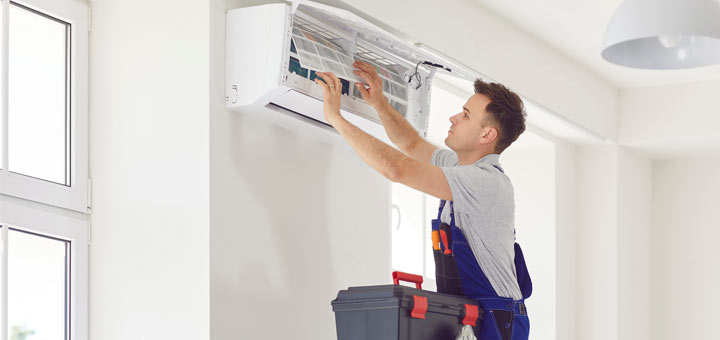
If you have a heating, ventilation, and air conditioning (HVAC) system in your home, you have to regularly change the filters to keep the air in your home clean. The frequency at which you need to change filters depends on their thickness. Typically, the filter will tell you how long it lasts. Thicker filters usually last longer and trap more allergens than thinner filters. Some thermostats will remind you to change your filter based on usage. Don’t have an HVAC system? Consider investing in a portable air purifier to help improve indoor air quality.

Vincent Stevens is the senior content writer at Dherbs. As a fitness and health and wellness enthusiast, he enjoys covering a variety of topics, including the latest health, fitness, beauty, and lifestyle trends. His goal is to inform people of different ways they can improve their overall health, which aligns with Dherbs’ core values. He received his bachelor’s degree in creative writing from the University of Redlands, graduating summa cum laude. He lives in Los Angeles, CA.