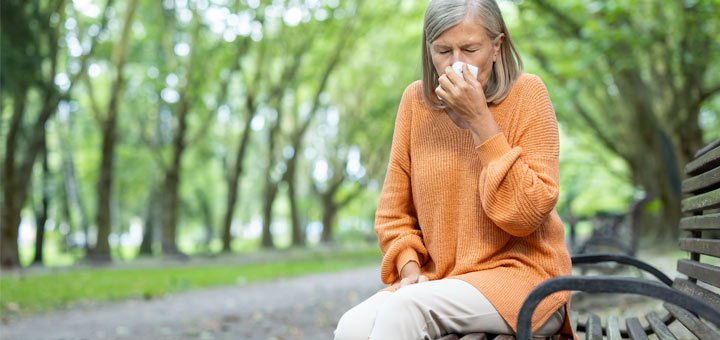
Spring is a beautiful, blossoming season for many, but it brings misery to those who suffer from seasonal allergies. Trees and flowers bloom, weeds release pollen, and fresh cut grass causes obnoxious sneezing. An estimated 40 to 60 million people experience seasonal allergies each year, or about 20% of people living in certain countries.
When left untreated, seasonal allergy symptoms can become highly miserable, affecting daily activities. In severe instances, they can even cause asthma attacks. Treating these seasonal allergies ultimately reduces asthma-related hospitalizations and emergencies. How do you treat these allergies without medications? The good news is that there are many natural ways to treat seasonal allergies.
What Are Seasonal Allergies?
The medical term for seasonal allergies is allergic rhinitis, or hay fever. Affecting the nasal passageways, seasonal allergies are characterized by the presence of inflammatory cells in the mucosa and submucosa. A person can suffer from hay fever any time of year, as allergies depend on a person’s triggers. Allergic rhinitis doesn’t just occur in the spring; rather, it can occur through the summer and fall. The flora in the place where you live may make symptoms worse, or cause them to go away. It is truly dependent on each person.
In order to properly address your seasonal allergies, pay attention and recognize which things trigger symptoms. Research suggests that nearly 75% of people in the United States who suffer from seasonal allergies are allergic to ragweed. Pollen from ragweed is highest during fall, so keep that in mind. The most common symptoms one can experience as a result of seasonal allergies are:
- Runny nose
- Watery eyes
- Stuffy nose
- Scratchy throat
- Exhaustion and sleep troubles
- Postnasal drip
- Sneezing
- Excess mucus production
- Asthma
- Hives
- Coughing
- Wheezing
- Mild ear infections
- Headaches
- Mood swings
Best Supplements For Allergy Symptoms
Ideally, you want to get in front of your symptoms, so experts suggest supplementing 30 to 60 days before the onset of symptoms for best results. Research indicates the phototherapy, spirulina, and butterbur show promise for treating symptoms of seasonal allergies:
- Quercetin: This flavonoid gives fruits and vegetables their rich color, but it also stops the production and release of histamine. It is possible that quercetin may interfere with certain medications, so consult your healthcare professional before starting it, especially if you take antibiotics and cyclosporine.
- Spirulina: Just like quercetin, spirulina stops the release of histamine. In a double-blind placebo-controlled study, consuming spirulina significantly improved symptoms, including sneezing, nasal congestion, itching, and nasal discharge.
- Butterbur: Although it has been traditionally used to treat excess mucus, asthma, and bronchitis, butterbur may help reduce seasonal allergies. In one study, hay fever sufferers were given butterbur and it was found to be as effective as some allergic rhinitis medications.
- Stinging nettle: Stinging nettle is a common homeopathic medicine exhibiting natural antihistamine and anti-inflammatory properties. It can help reduce the body’s production of symptom-causing histamine. Stinging nettle can have adverse interactions with certain medications, such as lithium, sedatives, and blood thinners.
Natural Treatments
There are complementary approaches that can help you feel better, but may not completely get rid of your symptoms. You can use:
- A neti pot: Nasal irrigation is an effective way to flush out mucus and foreign invaders in the nasal passageways. You can use a neti pot once or twice daily, but make sure you use saline packets and distilled water for best results.
- Acupuncture: This alternative remedy may help reduce symptoms of seasonal allergies without side effects. Before your allergies take over, meet with an acupuncturist to determine the best way to address your allergy symptoms.
- Essential oils: Diffuse essential oils in a diffuser to help open up the nasal passages and lungs. Certain essential oils, such as basil, lemon, tea tree, eucalyptus, peppermint, and lavender work to improve circulation and relieve stress.
Best Foods To Eat During Allergy Season
Believe it or not, the foods you eat can have an impact on the severity of your allergy symptoms. Much like the supplements we mentioned earlier, certain foods provide nutrients that support immune function and have natural antihistamine properties. Some of them are:
- Apple cider vinegar works to dissolve mucus and aid lymphatic drainage, which can reduce congestion due to allergies. Enjoy a tablespoon of apple cider vinegar with one tablespoon of fresh lemon juice in a cup of water three times per day.
- Ginger and turmeric pack a powerful anti-inflammatory punch that may help alleviate allergy symptoms and reduce sore throat.
- Hot and spicy foods, such as chili peppers, horseradish, and wasabi, work to thin mucus and ease nasal irrigation.
- Both broccoli and Brussels sprouts help clear up congestion and aid natural detoxification.
- Leafy greens, such as kale, arugula, Romaine lettuce, spinach, and chard, offer antioxidant compounds that work to nourish cells and combat allergy symptoms.
- Pineapple contains bromelain, which is an enzyme that not only aids the digestion of protein, but also helps reduce nasal swelling. Studies suggest that bromelain may help reduce your reaction to allergens. Make sure that you eat the core, as it has the highest concentration of essential nutrients for allergy season.
- Citrus fruits, such as oranges, lemons, limes, and grapefruits, offer a lot of vitamin C, which helps encourage immune function while offering an antihistamine boost.

Vincent Stevens is the senior content writer at Dherbs. As a fitness and health and wellness enthusiast, he enjoys covering a variety of topics, including the latest health, fitness, beauty, and lifestyle trends. His goal is to inform people of different ways they can improve their overall health, which aligns with Dherbs’ core values. He received his bachelor’s degree in creative writing from the University of Redlands, graduating summa cum laude. He lives in Los Angeles, CA.