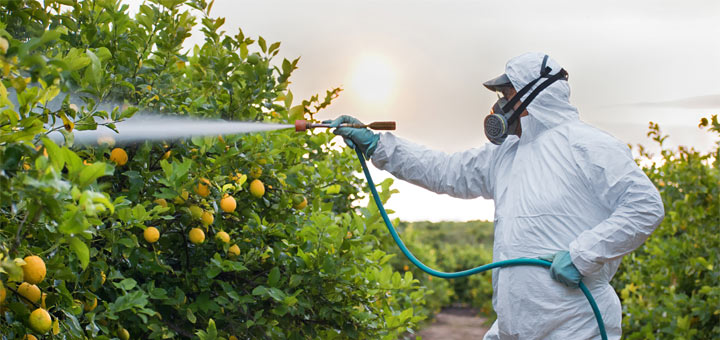
Do you ever wonder which fruits and vegetables are most contaminated with pesticides? Or are you one of those shoppers that just hopes for the best when they buy produce? If you have concerns, fret not because the Environmental Working Group (EWG) publishes an annual Shopper’s Guide every year. In this guide, the EWG highlights the Dirty Dozen and Clean 15, two lists that help consumers reduce exposure to potentially harmful chemicals while helping them consume lots of produce.
The EWG suggests that even after you wash and peel certain fruits and vegetables, they can still contain pesticide residue. Nearly 75% of non-organic fresh produce sold in the United States contains pesticide residue. That underscores how widespread exposure has become, even for people who habitually and thoroughly wash fruits and vegetables.
This information should not scare you away; rather, it should help you make smarter, healthier produce choices. If you are looking for the most up-to-date information from the EWG, it recently published both the 2026 Dirty Dozen and 2026 Clean 15 lists.
The Key Findings
In the 2026 Dirty Dozen and Clean 15 lists, researchers note several insights of importance. Some of the key findings are detailed below:
- 96% of the Dirty Dozen samples contained pesticide residues
- Nearly 60% of Clean 15 produce had no detectable pesticides
- More than 54,000 produce samples were analyzed across 47 fruits and vegetables
- On average, some samples contained four or more pesticides
- PFAS (or forever chemicals) were found in a large number of samples
- Nearly 75% of conventional produce contained pesticide residues, even after washing practices
- Researchers found 264 different pesticides overall
2026 Dirty Dozen List
Researchers note that there were no major items removed or added to the 2026 listThe 2026 Dirty Dozen list includes both fruits and vegetables with the highest pesticide contamination. Below, you will find the 12 most pesticide-laden produce items:
- Spinach
- Kale, collards, and mustard greens
- Strawberries
- Grapes
- Nectarines
- Peaches
- Cherries
- Apples
- Blackberries
- Pears
- Potatoes
- Blueberries
From samples on the Dirty Dozen list, researchers found 203 total pesticides, and pesticides were found on 96% of all samples on the list. PFAS were found on 63% of all Dirty Dozen foods. Potato samples had an average of two pesticides, while all other 11 produce items had four or more pesticides. All of the foods on this list tend to have thin skins that easily absorb pesticides. When available, buy organic versions of these items.
2026 Clean 15 List
The Clean 15 list remained unchanged from 2025 to 2026, but the rankings may have shifted slightly. What is clear is that this list highlights the produce items with the lowest pesticide levels. Nearly 60% of the produce on the 2026 Clean 15 list had no detectable pesticides, and only 16% of the produce had residues of multiple pesticides.
- Pineapple
- Sweet corn (frozen or fresh)
- Avocados
- Papaya
- Onions
- Sweet peas (frozen)
- Asparagus
- Cabbage
- Cauliflower
- Watermelon
- Mangos
- Bananas
- Carrots
- Mushrooms
- Kiwi
Many of the foods on this list have thick skins or natural resistances to pests. That ultimately reduces pesticide exposure, and they are generally safe to buy conventionally if you are on a budget and cannot afford organic varieties.

Vincent Stevens is the senior content writer at Dherbs. As a fitness and health and wellness enthusiast, he enjoys covering a variety of topics, including the latest health, fitness, beauty, and lifestyle trends. His goal is to inform people of different ways they can improve their overall health, which aligns with Dherbs’ core values. He received his bachelor’s degree in creative writing from the University of Redlands, graduating summa cum laude. He lives in Los Angeles, CA.