It is very common for people to neglect their feet. They are out of sight, out of mind, especially when the weather is a little colder. Only when the socks come off and the sandals come on do people realize that they need to do something about their cracked heels. After all, nobody wants to walk barefoot in the grass and have those thin blades enter those cracks.
What Are Cracked Heels?
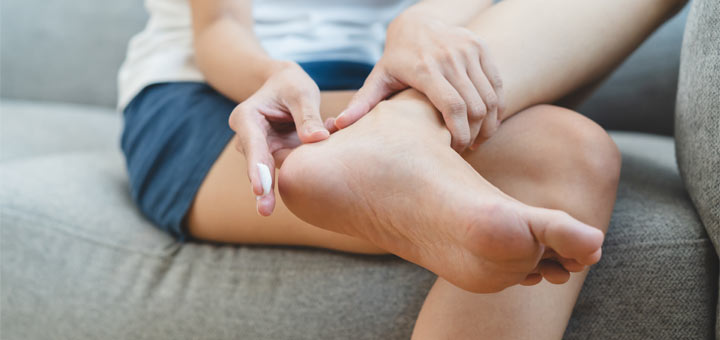
Cracked heels are very common and they occur when the dry, thick skin on the bottoms of your heels crack and split. Most cases are relatively minor and cracks are only a small nuisance or unattractive to look at. If you do not treat the cracks and heel fissures become deeper, you may experience difficulty walking or have a higher risk of infection.
Cracked heels are not an overnight problem. In the beginning stages, you will see dry, hard skin around the heel, also known as calluses. As you walk and put more pressure on that area, the pads under your heels expand and force those calluses to develop small cracks. Other factors that contribute to cracked heels include:
- Hard or unsupportive footwear (open-back sandals or flip flops)
- Obesity
- Chronic health conditions, such as diabetes
- Being on your feet for long periods of time, especially on hard surfaces
- Walking around barefoot because that provides not support or protection for your feet
- Taking long, hot showers
How Do You Treat Cracked Heels?
You treat cracked heels the same way you treat dry skin: you moisturize. If the cracks are minor, moisturize your heels two to three times per day to help relieve symptoms. You can also use a pumice stone before moisturizing to help remove any hard, dead skin that prevents the moisturizer from penetrating the skin effectively. After one week of this general foot care, check to see if symptoms are better or worse. If your heels have not gotten any better, you may need a combination of some of the following treatments:
- Use a dermal foot balm for skin nourishment and optimal moisture. This is similar to a moisturizer, only it uses urea, an ingredient that helps increase the balm’s efficacy.
- Mechanical debridement of thick calluses or fissures using a scalpel blade to reduce skin buildup.
- Foot and ankle strapping, which involves placing bandages around the heel to reduce skin movement.
- Using appropriate footwear that provides sufficient cushion to the heel pads.
Using A Heel Balm
Natural ingredients can help heal and protect your rough, dry and cracked heels. Specifically, shea butter, a featured ingredient in this DIY cracked heel balm, works effectively because of its emollient properties. It is also rich in anti-inflammatory properties and vitamins A and E. Dry skin can thoroughly absorb shea butter because of the fatty acid content. That helps create a protective moisture barrier on the heels, keeping them hydrated.
Coconut oil is another ingredient in this cracked heel balm that helps moisturize and protect the skin. Just like shea butter, coconut oil offers anti-inflammatory properties that may help reduce swelling and redness. Beeswax works to enhance the skin barrier, protecting your heels from the environment. This barrier helps lock in moisture and protect the skin from future damage.
DIY Cracked Heel Balm
Ingredients:
- 1.7 ounces unrefined shea butter
- 0.2 ounces coconut oil
- 0.2 ounces beeswax pellets
- 2-3 drops peppermint essential oil
- 2-3 drops tea tree oil
- 2 drops vitamin E oil
Instructions:
- Add the shea butter, coconut oil, and beeswax pellets to the top of a double boiler over medium-low heat. Stir occasionally until liquid.
- Once melted, remove from the heat and allow to cool for a few minutes before adding the essential oils and vitamin E oil.
- Stir to combine and then transfer to a glass container. Allow the balm to solidify at room temperature.
- Ideally, use this balm nightly on your feet, massaging it into your heels before applying socks to protect your skin overnight, and to prevent the balm from staining your sheets.

Vincent Stevens is the senior content writer at Dherbs. As a fitness and health and wellness enthusiast, he enjoys covering a variety of topics, including the latest health, fitness, beauty, and lifestyle trends. His goal is to inform people of different ways they can improve their overall health, which aligns with Dherbs’ core values. He received his bachelor’s degree in creative writing from the University of Redlands, graduating summa cum laude. He lives in Los Angeles, CA.