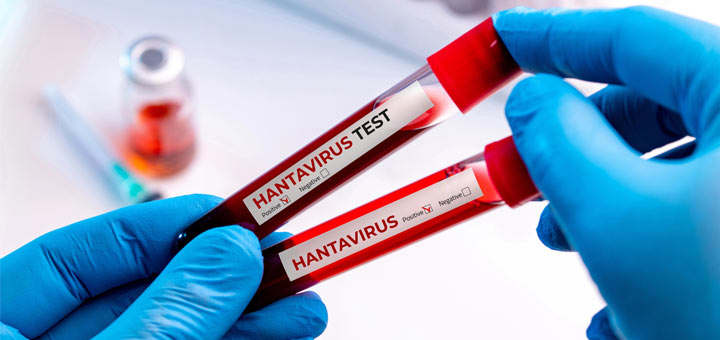
The Centers for Disease Control and Prevention (CDC) is currently monitoring a deadly hantavirus outbreak, which took place on a cruise ship in the Atlantic Ocean on May 2, 2026. The World Health Organization (WHO) confirmed that the type of hantavirus responsible for the outbreak is the Andes virus. This virus can lead to hantavirus pulmonary syndrome (HPS), which is a severe and potentially life-threatening disease that affects the lungs.
The latest reports confirm that 18 passengers from the cruise ship at the center of the hantavirus outbreak are back in the U.S. They are being monitored at various medical units. Reporters say that 16 of those 18 people, including at least one who tested positive, are in Nebraska. Two others are at Emory University in Atlanta, Georgia. All 16 people in Nebraska are asymptomatic, and one person in Atlanta is experiencing symptoms, according to health officials.
What Is Hantavirus?
The first case of this class of virus was identified in the Hantaan River area in Korea. Mice and other rodents tend to carry the hantavirus, although humans can contract the disease when they come in contact with infected rodents or their urine, droppings, or saliva. Researchers first identified hantavirus in the U.S. in 1993, but has since been identified throughout the country. It is quite rare, but the disease is potentially deadly, especially if it involves the kidneys, lungs, or heart.
What Are The Symptoms?
Hantavirus is interesting because it can have a long incubation period (the time between a person is infected and when they experience symptoms). It typically ranges from two to three weeks, but it can be as long as eight weeks. Health experts note that early symptoms include fever, fatigue, and muscle aches, especially in larger muscle groups, such as the hips, thighs, and back. Roughly 50% of infected people experience headaches, chills, dizziness, and stomach troubles, such as nausea, vomiting, and diarrhea. It’s possible for coughing and shortness of breath (as the lungs fill with fluid) to occur four to 10 days following the onset of mild symptoms.
How Do You Contract Hantavirus?
Researchers explain that hantavirus is primarily contracted when people come in contact with rodents like rats or mice, especially when exposed to their urine, droppings, or saliva. Human-to-human spread of hantavirus is highly unusual, but it may have occurred in the current outbreak on the cruise ship off the coast of Cape Verde. This is a rare type of hantavirus, the Andes virus, which still may rarely spread from person to person. Typically, hantavirus infections are not considered high risk to the public because of how rare they are and how rarely the virus spreads between people.
Treatment For Hantavirus
There is no specific treatment for hantavirus infection. The antiviral drug ribavirin is occasionally recommended because it has proven efficacy for a specific type of hantavirus infection that causes kidney failure. That said, it has not proven effective for heart and lung involvement. People who recognize signs of the infection early and seek care immediately may have a better outcome than those who wait to seek care. If healthcare professionals recognize the illness early, patients receive oxygen therapy to help get them through the period of respiratory distress.
This is an evolving situation and health experts aim to learn more about the Andes hantavirus as things progress. Current assessments show no increased signs of risk of people who are traveling, though.

Vincent Stevens is the senior content writer at Dherbs. As a fitness and health and wellness enthusiast, he enjoys covering a variety of topics, including the latest health, fitness, beauty, and lifestyle trends. His goal is to inform people of different ways they can improve their overall health, which aligns with Dherbs’ core values. He received his bachelor’s degree in creative writing from the University of Redlands, graduating summa cum laude. He lives in Los Angeles, CA.