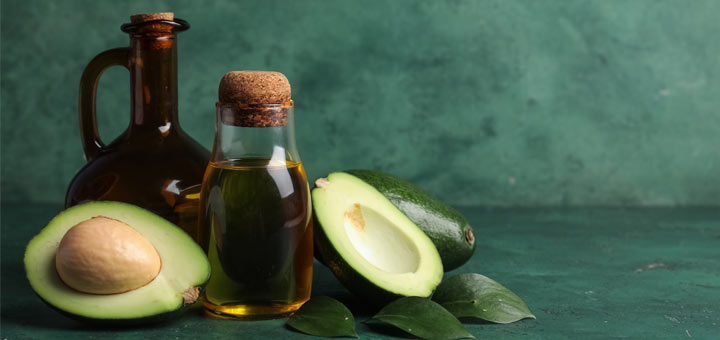
How do you use avocado oil? You probably use it in a variety of culinary applications, such as salad dressings, stir-fries, and more. Did you ever think to lather it on your skin, though? Just like olive oil, avocado is a great carrier oil that provides beneficial nutrients that may help improve the health of your skin.
For starters, avocado oil can benefit your skin, especially if your skin is rough, dry, mature, or easily irritated. Avocado oil is naturally rich in oleic acid, which is a monounsaturated omega-9 fatty acid. It also contains linoleic acid, an omega-6 fatty acid, along with vitamin E, phytosterols, and other compounds that help researchers understand avocado oil’s benefits. However, avocado may not benefit everyone’s skin in the same way. It is richer than lightweight oils, such as jojoba oil, so people with acne-prone skin may need to use it cautiously. Continue reading to learn how avocado oil promotes healthier skin.
Fights Inflammation
If acne is a concern, will avocado oil improve the health of your skin? Avocado oil does help people with inflamed skin conditions, such as acne, due to the inherent anti-inflammatory and wound-healing properties. You do not have to strip your skin of oil to reduce breakouts. In fact, that may worsen acne symptoms. Some people, not all, find that avocado oil provides necessary moisture to the skin, which decreases the likelihood of sebum overproduction, which may cause acne.
May Soothe Sunburn
One scientific review from 2011 determined that avocado oil is rich in vitamin E, vitamin D, beta-carotene, lecithin, and essential fatty acids. That makes it a great addition to after-sun care. Although avocado oil is not a replacement for mineral sunscreen, it may help soothe the skin and reduce the side effects of sunburn.
Supports Skin Barrier
The skin barrier is the skin’s outermost layer and it works to keep out harmful aggressors and maintain hydrated, healthy skin. It depends on fats to remain resilient, flexible, and hydrated. Avocado oil supplies emollient fatty acids that soften the outer layer and reduce feelings of tightness caused by dry skin. That is why you commonly see avocado oil in creams, moisturizers, shower oils, cleansing balms, and other skin care products. Although you can use avocado oil on its own, many people find that it works best when paired with other humectants, such as aloe vera or vegetable glycerin, or other ingredients that support skin barrier function.
Exhibits Anti-Aging Properties
Aging is a natural part of life, but that does not mean you cannot do little things to fight that process. Collagen production declines with age, making the skin appear less youthful, dryer, and rougher. Consider using avocado oil to help combat skin dryness and reduce the appearance of wrinkles. A scientific review of plant oils observed the topical application of avocado oil on animal subjects. The review noted that avocado oil increases collagen synthesis and reduces the amount of inflammatory cells during the wound-healing properties. Additionally, research found that avocado seed extracts exhibited a protective effect against UVB-damaged fibroblasts. That means that avocado oil has anti-photoaging properties.
May Improve Psoriasis
Psoriasis is a chronic, autoimmune skin condition that causes inflammation and the development of scales or plaque. According to the results of a clinical trial published in the Dermatology journal, a vitamin B12 cream containing avocado oil revealed steady beneficial effects on people with psoriasis over a 12-week period. At the end of the study, researchers noted that the B12 cream with avocado oil had considerable potential for long-term topical therapy for psoriasis.
May Calm Eczema-Prone Skin
Avocado oil is not a cure for eczema; rather, it serves as a supportive, moisturizing ingredient. People with eczema tend to require gentle, fragrance-free products that help encourage a healthy skin barrier and reduce dryness. Avocado oil is a natural emollient, so it may help soften flakey, rough areas of skin and reduce itching or discomfort that comes with dryness. One thing to note is that you should not apply avocado oil to open, infected, or actively weeping skin unless approved by your dermatologist. Always do a patch test to see if you have an allergy before applying liberally.

Vincent Stevens is the senior content writer at Dherbs. As a fitness and health and wellness enthusiast, he enjoys covering a variety of topics, including the latest health, fitness, beauty, and lifestyle trends. His goal is to inform people of different ways they can improve their overall health, which aligns with Dherbs’ core values. He received his bachelor’s degree in creative writing from the University of Redlands, graduating summa cum laude. He lives in Los Angeles, CA.