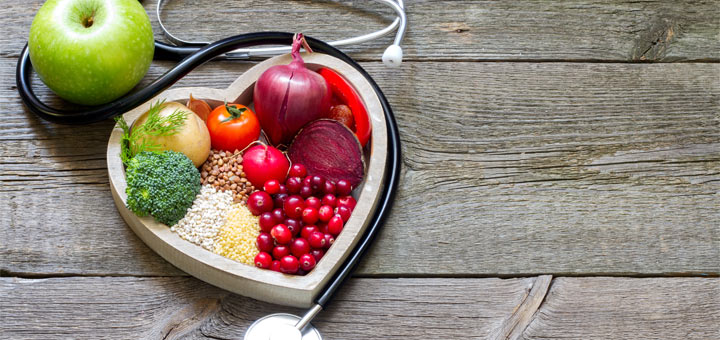
When it comes to lowering blood pressure, the best foods to eat contain magnesium, potassium, antioxidants, and fiber. Those nutrients work to relax blood vessels and balance sodium levels in the body. Beets are typically the go-to vegetable for improving blood pressure levels because they contain nitrates. Nitrates help relax blood vessels and support healthy blood pressure levels.
Beets are not the only food that can make a difference in your levels, though. Leafy greens, berries, and several other foods contain nutrients that aid blood pressure reduction. For your reference, high blood pressure is generally defined by a blood pressure reading that is consistently 130/80 mm Hg or above. The top number indicates systolic pressure, while the b bottom number indicates diastolic pressure. Continue reading to learn which foods can help lower blood pressure levels.
Legumes
Lentils, beans, and chickpeas are common legumes that are rich in fiber, magnesium, and potassium, all of which support healthy blood pressure. Potassium is especially important for helping the body get rid of excess sodium, which holds on to water. When the body releases sodium, it gets rid of extra fluid, which can also help lower blood pressure. Statistically, people who regularly eat legumes have lower blood pressure and a lower risk of stroke.
Walnuts
As a rich source of ALA, a plant-based omega-3 fatty acid, walnuts may encourage better heart function. Walnuts also contain potassium, fiber, antioxidants, and magnesium, which help regulate blood pressure. A two-year study of older adults found that adding walnuts to the diet led to modest reductions in systolic blood pressure. The biggest benefits were seen in subjects who had higher blood pressure at the beginning of the study.
Berries
Berries are naturally rich in vitamin C, which is a powerful antioxidant, but they also contain anthocyanins. These compounds work to boost nitric oxide production in the body. Although more research is necessary, a 2021 study found that people who ate 1.5 cups of berries per day had lower blood pressure than those who did not eat berries. As a quick note, both fresh and frozen berries offer similar benefits.
Leafy Greens
Research suggests that spinach, chard, kale, and other leafy greens are naturally rich in nitrates, which are found in beets. Nitrates supply the body with nitric oxide, which relaxes blood vessels, allowing for better oxygen and blood flow. A diet rich in nitrates from fruits and vegetables has been linked to a lower risk of stroke and lower blood pressure numbers.
Avocado
Naturally rich in potassium, magnesium, fiber, and monounsaturated fats, avocados make for great additions to any diet. One cup of sliced avocado satisfies nearly 15% of the recommended daily intake (RDI) of potassium. Magnesium is integral for the many roles it plays in the body, including the widening of blood vessels. It does this by blocking the effects of calcium, which can cause blood vessels to tighten. A study from 2023 found that people who ate five or more servings of avocado per week had a 17% lower risk of high blood pressure. For reference, one serving is about half of a medium avocado.
Bananas And Apples
Bananas are not just valuable for their potassium content, but also their fiber and antioxidants, which work to protect cells from free radical damage. A 2024 study observed people with high blood pressure who ate bananas three to six times per week. Compared to those who ate bananas less than once per month, the banana group had a lower risk of death. The benefit was even greater when participants consumed bananas alongside other fruits, especially apples. In fact, eating apples and bananas several times per week was associated with the largest reduction in overall mortality risk.
Oats
Oats are naturally rich in beta-glucan, a type of soluble fiber that helps support healthy cholesterol levels and overall heart health. It may also play a role in lowering blood pressure. A 2023 review of studies found that eating oats on a regular basis can help lower systolic blood pressure. That was especially true for people with high blood pressure or when oats replaced refined grains in peoples’ diets.

Vincent Stevens is the senior content writer at Dherbs. As a fitness and health and wellness enthusiast, he enjoys covering a variety of topics, including the latest health, fitness, beauty, and lifestyle trends. His goal is to inform people of different ways they can improve their overall health, which aligns with Dherbs’ core values. He received his bachelor’s degree in creative writing from the University of Redlands, graduating summa cum laude. He lives in Los Angeles, CA.