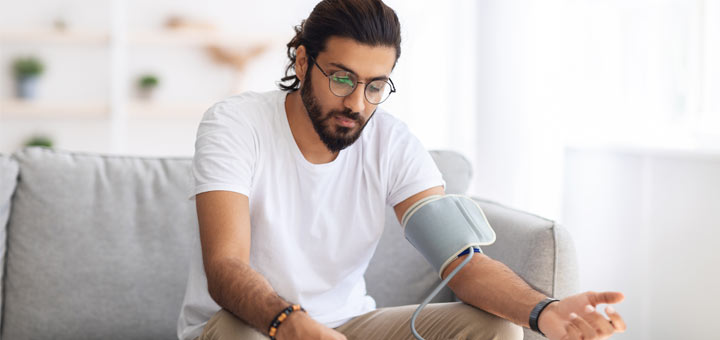
Nearly 50% of the American adult population has high blood pressure (hypertension). High blood pressure is defined by a systolic reading of 130 mmHg or greater and a diastolic reading of 80 mmHg or greater. Nearly 45% of adults with uncontrolled high blood pressure have a reading of 140/90 mmHg or higher. That includes nearly 37 million U.S. adults. Additionally, about 34 million adults who should be taking medication (due to hypertension guidelines) may need a prescription or fill a prescription to start taking medication.
The fact of the matter is that a lot of people have high blood pressure and do not know about it. That is either because they do not go to annual check-ups, or they do not monitor blood pressure at home. At-home blood pressure monitoring is easy to do, but there are many small things that can affect readings. In this article, we cover what you need to know about how to take your blood pressure at home, and how to avoid common mistakes people regularly make.
Common Mistakes
If your blood pressure reading is inaccurate, even by as little as 5 mmHg, you may not be able to effectively manage blood pressure. Essentially, you run the risk of either being prescribed medication you do not need or leaving hypertension untreated. Common mistakes you should avoid include:
- Taking your blood pressure over your clothes
- Taking readings after drinking, smoking, or eating
- Using the wrong size cuff or putting it on incorrectly
- Putting your arm in the wrong position
- Talking during the measurement
- Forgetting to rest and relax before taking blood pressure
- Crossing your legs or having poor posture
- Moving around during the reading
- Taking only one reading
- Failing to empty your bladder before taking a reading
Why Accurate Home Readings Matter
Health experts refer to high blood pressure as the silent killer because it doesn’t cause symptoms. Unless you consistently monitor it, you may not realize your blood pressure is high. Taking your blood pressure at home can help you take steps to keep it under control. The numbers you see may encourage you to exercise regularly, get more sleep, limit alcohol intake, and make smarter, heart-healthy food choices.
Believe it or not, the readings you take at home are likelier more accurate than when a healthcare provider takes them. That is especially true if you have white coat syndrome, which causes blood pressure to go up each time you step into a doctor’s office or see a healthcare provider. It is usually caused by stress or anxiety during a medical appointment.
Most people only check their blood pressure once per year at annual check-ups. Tracking it at home can give you a more accurate picture of your heath. The more readings you have, the more likely you are to know what your blood pressure actually is.
Choosing the Right Monitor And Cuff Size
If you want to have an accurate blood pressure reading, you have to make sure that your monitor and cuff are appropriate for you. Your cuff should fit because if it is too large or too small, the readings will be off. When you select your monitor, look for an automatic, cuff-style, upper arm monitor that fits over the bicep. Finger monitors and wrist cuffs do not yield readings that are as accurate.
Before you purchase a monitor and cuff, make sure to check the Validated Device Listing. It should be validated in that database. Additionally, pregnant people need to ensure that a device is specifically validated for use during pregnancy.
Finally, measure your user arm and choose a monitor that comes with the correct cuff size. Once you have your monitor, you should take it to your next appointment with your healthcare provider. They can observe whether you are using it correctly or not, as that will help you get the most accurate readings.

Vincent Stevens is the senior content writer at Dherbs. As a fitness and health and wellness enthusiast, he enjoys covering a variety of topics, including the latest health, fitness, beauty, and lifestyle trends. His goal is to inform people of different ways they can improve their overall health, which aligns with Dherbs’ core values. He received his bachelor’s degree in creative writing from the University of Redlands, graduating summa cum laude. He lives in Los Angeles, CA.