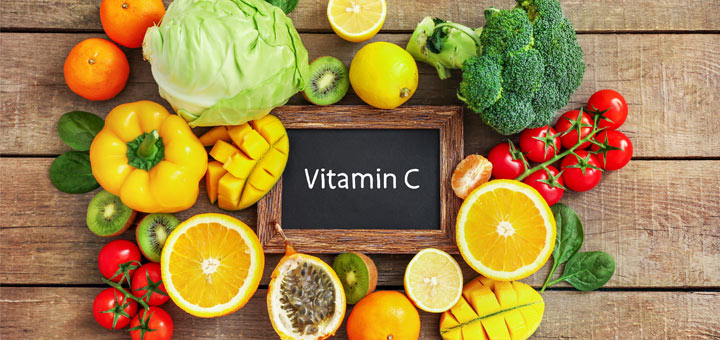
A lot of people think that oranges are the best sources of vitamin C. While oranges and other citrus fruits tend to receive a lot of attention for vitamin C, other sources, including Brussels sprouts, kiwis, and peppers, have a higher vitamin C content. In fact, one cup of Brussels sprouts contains 85 milligrams (mg) of vitamin C, which covers the needs of most adults. Although Brussels sprouts are highly nutritious, they are not the only vitamin C superstars.
What Is Vitamin C?
Vitamin C, or ascorbic acid in supplement form, is an essential vitamin that you have to get via your diet. The human body does not make any vitamin C on its own. It is a water-soluble vitamin that acts as an antioxidant in the body. That means that it can support cellular health, healthy aging, and support immune function. Although supplementing is an option, you can easily find vitamin C in many fruits and vegetables. The following fruits and vegetables are rich in vitamin C, so eat up!
Guava
Guava happens to be one of the richest dietary sources of vitamin C. One small guava contains 228 mg of vitamin C, which is more than double the amount you need in a day. Guava also provides fiber, which aids digestive health and promotes feelings of fullness. The high potassium and soluble fiber levels may also aid blood pressure management and reduce “bad” LDL cholesterol levels. You can eat guava on its own, blend it into smoothies, incorporate it into desserts, or even sauces for savory dishes.
Red Bell Peppers
Although they don’t contain as much vitamin C as guava, raw red bell peppers are excellent sources. Red bell peppers contain almost double the amount of vitamin C as Brussels sprouts, offering 121 mg per cup. In addition to the vitamin C content, red bell peppers offer valuable carotenoids, which act as antioxidants to support cellular health and skin integrity. Lutein, zeaxanthin, and beta-carotene, which are the carotenoids in red bell peppers, work to protect the retina against age-related macular degeneration and cataracts. Just like the other foods in this article, the high vitamin C content aids the absorption of iron from plant-based foods.
Kale
Kale is a valuable leafy green that offers more vitamin C by weight than Brussels sprouts, especially if you enjoy it raw. Not only does kale offer 23.4 mg of vitamin C per cup, but it also offers vitamin K (70% of the daily value per cup), magnesium, and other plant compounds that support heart and bone health. Kale is also rich in sulforaphane and indole-3-carbinol, two compounds that help block cancer growth at a cellular level. Just like red bell peppers, kale also provides lutein and zeaxanthin, making it a great vegetable for eye health.
Broccoli
Just like kale, broccoli provides a healthy amount of both vitamins C & K. In a cooked cup, broccoli provides over 90% of the daily value of vitamin C and about 92% of the daily value of vitamin K. Broccoli is also a close relative to Brussels sprouts and offers fiber, potassium, and antioxidants that work to fight inflammation and aid LDL cholesterol reduction. Studies suggest that it is better to eat broccoli raw or lightly steamed to maximize your benefits, as overcooking can destroy myrosinase, a valuable enzyme needed for sulforaphane production.

Vincent Stevens is the senior content writer at Dherbs. As a fitness and health and wellness enthusiast, he enjoys covering a variety of topics, including the latest health, fitness, beauty, and lifestyle trends. His goal is to inform people of different ways they can improve their overall health, which aligns with Dherbs’ core values. He received his bachelor’s degree in creative writing from the University of Redlands, graduating summa cum laude. He lives in Los Angeles, CA.