Health experts estimate that there are 40 million adults over the age of 18 that have some sort of anxiety disorder. In fact, anxiety disorders are among the most common mental health conditions in the United States. If you experience mild anxiety that does not require treatment, you may benefit from alternative treatments. With your doctor’s approval, you may use such treatments to enhance traditional treatment, such as anti-anxiety medication or talk therapy.
The purpose of alternative treatments is to relieve anxiety symptoms and improve overall health without adding unnecessary side effects. While alternative therapies may help reduce anxiety, they may not work instantaneously. You may need to practice them for several weeks to see results. For example, if you are having a severe bout of anxiety, an alternative therapy may not be enough on its own. Continue reading to learn more about alternative treatments that may help reduce anxiety.
Eat A Balanced Diet
According to a 2021 study, following eating patterns that align with dietary recommendations and nutrient requirements may help prevent and treat depression and anxiety. The field of nutritional psychiatry explores the relationship between nutrition, mental health, and mental function. In order to avoid anxiety symptoms, experts suggest that you:
- Eat regular meals, as that can help you avoid low blood sugar, which can produce anxiety symptoms.
- Avoid smoking because nicotine can elevate blood pressure and heart rate, mimicking symptoms of anxiety.
- Eat a well-balanced diet that is rich in fruits, vegetables, nuts, seeds, healthy fats, whole grains, and lean meats.
- Drink more water to avoid dehydration, as properly hydrated people have a lower risk of stress.
- Avoid drinking soda to reduce your intake of caffeine and sugar, two ingredients that can contribute to anxiety.
- Avoid foods that are high in sugar because a sugar rush can trigger a panic attack.
Get Plenty Of Sleep
A 2019 study found that sleep can calm and reset an anxious brain. Sleep experts encourage people to get between six to eight hours of quality sleep every night. If you have trouble sleeping, you may benefit from:
- Exposing yourself to bright sunlight early in the morning and reducing blue light exposure in the evening, especially bright screens within an hour or two of bedtime.
- Going to sleep and waking up at the same time every day.
- Getting regular exercise, as physical activity can help burn off energy.
- Taking short naps (15 to 20 minutes) in the early afternoon to avoid sleep troubles at bedtime.
- Spending more time outside during the day to expose yourself to natural light.
- Making sure your bedroom is dark, cool, and comfortable.
Avoid Alcohol And Nicotine
People with anxiety often use alcohol and nicotine to relieve symptoms. Unfortunately, that relief is only temporary. Alcohol and nicotine can both worsen symptoms of anxiety and make them occur more frequently. A 2019 study involving teenagers found that the use of alcohol and nicotine increased the risk of mental health conditions. The group that used alcohol and nicotine were in more distress than those who did not.
Ease Up On The Caffeine
That morning cup of Joe may put a little pep in your step, but having too much caffeine can give you unnecessary jitters. Too much caffeine in your system can decrease your ability to handle anxiety well. According to a 2017 research review, some people can experience anxiety from consuming caffeine in amounts as low as 200 milligrams per day. That equates to about two cups of coffee. Regarding the review, most of the studies involved people under psychiatric treatment, or people with an existing anxiety disorder.
Practice Relaxation Techniques
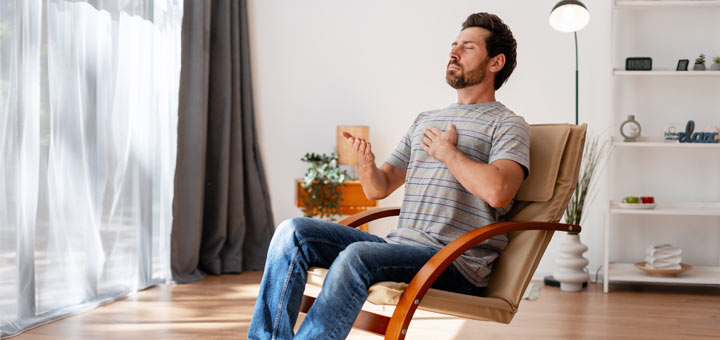
Relaxation techniques can be very effective for reducing anxiety. Meditation, yoga, and breathing exercises are just a few techniques that can help you relax the mind and body. Meditation, for example, doesn’t change the world around you; rather, it just changes the way you respond to it. Studies suggest that mediation can help reduce anxiety and improve overall sleep. It changes the brain and body, improving many aspects of physical and mental health. Breathing techniques can be extremely useful, as they can teach you to control your breathing, which can prevent hyperventilating during an anxiety event.
If your goal is to feel better, consider incorporating these practices into your anxiety treatment plan. They may come in handy when experiencing intense bouts of anxiety.

Vincent Stevens is the senior content writer at Dherbs. As a fitness and health and wellness enthusiast, he enjoys covering a variety of topics, including the latest health, fitness, beauty, and lifestyle trends. His goal is to inform people of different ways they can improve their overall health, which aligns with Dherbs’ core values. He received his bachelor’s degree in creative writing from the University of Redlands, graduating summa cum laude. He lives in Los Angeles, CA.