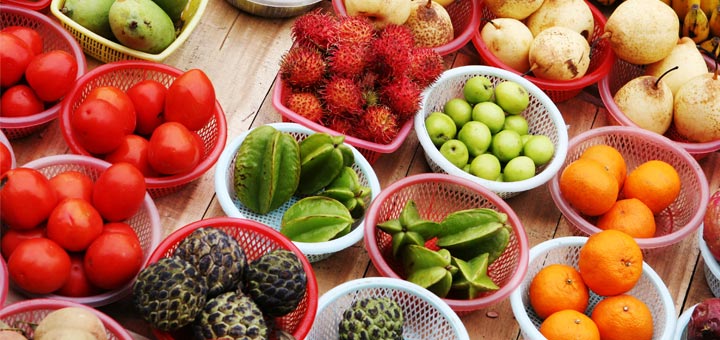
Dietary habits are some of the most interesting and complex aspects of human behavior. More often than not, people make food decisions based on culture or clever marketing tactics. Each person responds to foods differently, though, with some people enjoying flavors or foods that others cannot stand. Additionally, race, economic status, and environmental conditions also play a role in how one’s diet develops.
What Is Healthy Eating?
If you search “healthy eating” on Google, you’ll most likely encounter images of leafy greens, cauliflower, avocados, salmon, skinless chicken breast, and grains. In the United States, that’s what our collective idea is in regards to healthy eating. It’s a general term that is mainstream for non-immigrant Americans. For some reason, there is an implication that other cultures do not eat healthily, when this couldn’t be further from the truth.
Kale, green smoothies, quinoa, Buddha bowls, and one-pan meals are popular ideas that dietitians preach. Fill half of your plate with non-starchy vegetables, leaving one-quarter for lean protein and one-quarter for whole grains. That’s the “gold standard” of healthy eating, and eating meals that follow this model will yield a tone, in-shape body with optimal blood pressure, blood sugar, and cholesterol levels. Other cultures consume diets that may be healthier than people, in the United States, realize. For instance, someone from Trinidad may regularly consume foods like coconut milk, ginger, cumin, turmeric, sweet potatoes, chickpeas, and roti. Someone from Lebanon may enjoy chickpeas, rice pilaf, fresh vegetables, bulgar wheat, sumac, and fresh herbs.
What Are Cultural Foods?
Typically, cultural foods represent the traditions, practices, and beliefs of a geographic region or ethnic group. These foods can also indicate a specific religious body or community. Cultural foods entail specific preparation and the dishes that people consume get passed down from generation to generation. Kimchi and dim sum may represent Asian cultures on the surface, but they may also represent colonial past. Many cultural dishes would not exist without historical spice and food trades and migration of peoples.
In many cultures, food has a ceremonial or social role. Typically, certain foods are praised or held in high regard, and are reserved for social occasions or religious feasts. Some foods are only edible for humans, while others are only for animals. Foods fall under different categories as well, including strength, light, heavy, and even luxurious. Additionally, many cultures tend to eat with the seasons, only consuming what is available. This is one of the healthiest ways to eat, in addition to omitting processed foods and hormone-rich dairy products from their diet. This isn’t to say that every culture eats healthily, though. Some cultures have a fixation on processed or packaged foods. These foods have actually steered people away from traditional diets, which may have been very healthy once upon a time.
What Does/Should Healthy Eating Look Like?
There is no singular definition for healthy eating. A person who follows a healthy diet should include a variety of protein-rich foods, whole grains, legumes, fruits, vegetables, healthy fats, starchy foods, and healthy oils. There is no “singular plate” that is right or wrong. The main message from the USDA’s MyPlate, which replaced the Food Pyramid, is that a person would have a dairy, protein, fruits, grains, and vegetables in their diet. These are the five primary food groups in the United States. By the way, we aren’t saying that this is the right model of eating to follow.
Some cultures combine all of the necessary food groups in one dish, so there are not separate preparations. One dish can be made in a large pot, for example, like a curry or stew. In this regard, healthy eating is fluid and represents a different idea of healthy, something that Americans may not consider. This is because there is a lack of cultural representation in dietary guidelines within the United States.
Healthy eating should be a fluid concept that doesn’t look one specific way. If you don’t have access to kale and quinoa, you may have access to bok choy and brown rice. Another culture may focus on breadfruit, taro, pumpkin, and coconut milk. Many of these foods include protein, complex carbohydrates, vitamins, minerals, and antioxidants. They may not fit the Western definition of healthy, but they are filled with essential nutrients. Don’t limit your view of what healthy means; rather, learn more about other cultures and your food and nutrient intake will expand as a result.

Vincent Stevens is the senior content writer at Dherbs. As a fitness and health and wellness enthusiast, he enjoys covering a variety of topics, including the latest health, fitness, beauty, and lifestyle trends. His goal is to inform people of different ways they can improve their overall health, which aligns with Dherbs’ core values. He received his bachelor’s degree in creative writing from the University of Redlands, graduating summa cum laude. He lives in Los Angeles, CA.