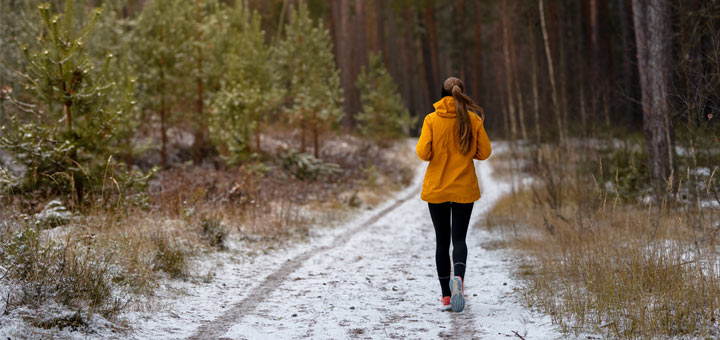
No matter the weather, be it frigid or excruciatingly hot, staying active is one of the best things you can do for your health. Not only does it support brain, heart, and mental health, but it also helps reduce the risk of chronic illness. Some research indicates that people are more likely to adopt sedentary behaviors in colder weather. Don’t become part of the statistic; rather, challenge the norm and brave colder temperatures.
You do not have to go out and trudge through the snow or cold rain in shorts and a T-shirt. There are easier ways to remain active in colder weather. We detail how to best go about doing that in this article.
Why Stay Active During Cold Weather?
Sedentary activity is associated with several changes in important bodily functions. If you are sedentary, you are likely to have less energy, increased fat mass, higher blood pressure, decreased immune function, and reduced bone density. If you are unsure how to stay active in cold weather, ask a healthcare professional, or even the Internet, for tips. There are many programs tailored to your needs and fitness level.
Wear Proper Layers
In order to enjoy your cold weather exercise routine, you have to layer properly, especially if you are venturing outdoors. It is the most effective for staying warm and dry, and it also helps to regulate your body temperature. You can also choose to change layers between warming up and your exercise routine to prevent sweat from accumulating. The three main layers to consider are:
- The base layer, which is the layer closest to the skin. Ideally, choose breathable, moisture-wicking clothing to help eliminate moisture while also providing some insulation.
- The mid-layer goes over your base layer to help trap the heat. You have the option to choose the type of material and how thick this layer is, and the best choice for you depends on the weather and level of exercise intensity.
- The outer layer goes over your mid-layer and should protect you from rain, wind, and snow. This is usually a Gore-Tex or waterproof shell.
Always Warm Up
The cold temperatures can trigger physiological functions that impact energy, flexibility, and muscle function. Blood vessels constrict when they are cold and the body’s metabolic rate increases in order to help it retain as much heat as possible. Joints, tendons, and muscles have a tendency to be stiff in colder weather as well. Warm up for at least five to 10 minutes before you engage in any sort of dynamic exercise. Warming up also helps reduce the risk of injury and naturally increases blood flow to help the body retain heat.
Be Prepared
Venturing outside to engage in exercise means that you have to be prepared and alert at all times. Check the forecast for precipitation and wind chill and always pack an extra layer to be safe. Let others know where you are going if the weather is not great. Carry a phone that is fully charged, especially if you go into the mountains to ski, snowboard, or hike. Finally, make sure you bring the necessary equipment, such as crampons or non-skid shoes.
Stay Hydrated And Eat Enough
The body has to use more energy to regulate its temperature when exposed to colder temperatures. That means that you burn more calories and use more water. For this reason, eat a balanced meal that is rich in carbohydrates, healthy fats, and protein at least one to two hours before exercising in cold weather. Lower temperatures also reduce your perception of thirst, so you will be less inclined to drink water. Cold air also causes excessive water loss, which increases the risk of dehydration. Make sure to fill up your water bottle with warm water to prevent it from getting cold. Consider bringing an insulated bottle of warm tea as well.
Activities To Try In Cold Weather
There are so many cold weather activities that help support your fitness goals. Depending on where you live, the activities can vary, but some examples of outdoor activities are:
- Cycling
- Cross-country skiing
- Walking, jogging, or hiking
- Shoveling snow (it is most definitely a workout)
- Alpine skiing
- Snowshoeing
- Raking leaves

Vincent Stevens is the senior content writer at Dherbs. As a fitness and health and wellness enthusiast, he enjoys covering a variety of topics, including the latest health, fitness, beauty, and lifestyle trends. His goal is to inform people of different ways they can improve their overall health, which aligns with Dherbs’ core values. He received his bachelor’s degree in creative writing from the University of Redlands, graduating summa cum laude. He lives in Los Angeles, CA.