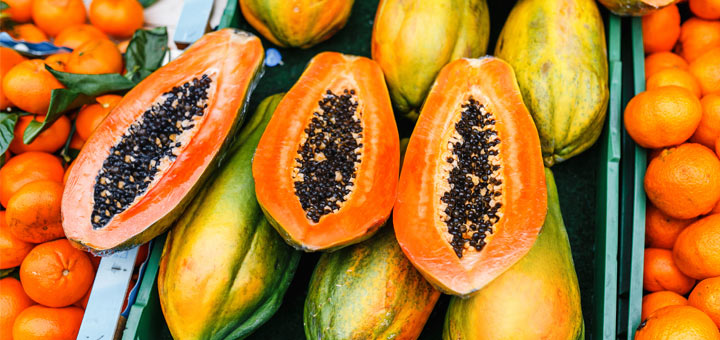
What is a proteolytic enzyme and why do you need to know about it? Before we unpack all of that information, allow us to first explain that proteolytic enzymes are compounds that break down proteins into amino acids. These enzymes are essential for digestion and many metabolic functions in the body. Common types of proteolytic enzymes include bromelain (from pineapple, trypsin, and papain (from papaya).
What Is Papain?
This natural enzyme is found in papaya, which actually contains several other proteolytic enzymes, including chymopapain A, chymopapain B, and papaya peptidase A. Papain is the standout compound that exists in the immature fruit of the female papaya plant. It also exists in the leaves, roots, and latex sap of the papaya plant. Like other proteolytic enzymes, papain breaks down long-chain molecules of proteins into shorter fragments, or peptides. It proceeds to break them down into amino acids, and this papain enzyme may do a lot more than that.
Helps Regulate Inflammation
Researchers note that papain has been helpful in reducing inflammation in patients with asthma, arthritis, and other inflammatory conditions. Papain and trypsin work to break down pathogenic immune complexes and may even prevent their formation. That ultimately means that proteolytic enzymes may be able to prevent inflammation from occurring in the first place. That enhances lymphatic drainage and has regulatory effects on the immune system. A prospective study on an oral enzyme combination containing papain helped reduce postoperative swelling and pain in patients after lower third molar surgery.
May Exhibit Anti-Tumor Effects
In a human-based clinical review, researchers evaluated proteolytic enzyme therapy, including papain. They reported that these enzymes may exhibit anti-tumor activity by enhancing immune response. Additionally, proteolytic enzyme therapy may enhance outcomes of cancer treatment and help reduce tumor-related inflammation, or the side effects from treatment. Researchers behind this review explained that proteolytic enzymes, like papain, can help modulate immune function and break down protein structures associated with tumor protection. That may expose cancer cells to immune attack and improve response in patients.
Aids Digestion
Papain supplements may help improve gastrointestinal health by combatting common digestive issues, such as bloating and constipation. Studies confirm that papain helps the body break down protein foods, like animal meat, but it doesn’t require the presence of acid to do its job. What does that mean? Well, even people with low stomach acid who would normally struggle to break down and digest certain types of meat, may benefit from papain supplements. According to research, papain actively breaks down proteins into smaller fragments. It facilitates digestion at a biochemical level and even aids nutrient absorption in the digestive tract.
Fights Infections
In the past, papain was used in non-traditional wound care due to its anti-viral and anti-fungal properties. Researchers note that it appears to fight infections by destroying the layer of protein that protects fungi and viruses against attacks. In doing so, papain reduces their ability to reproduce, spread, and cause more infections. One study observed papain’s ability to fight infection. After applying a papain-based gel to infected dentin in extracted human teeth, it was able to significantly reduce counts of Streptococcus mutans and Lactobacillus casei. Both of those bacteria are involved in many dental infections. Researchers concluded that papain’s antimicrobial effects were strong enough to break down infected tissue and disrupt bacterial presence.
Supports Wound Healing
There are many topical papaya enzyme products, which are often used for their wound-healing properties. That said, the USDA has warned consumers about possible allergic reactions when applying the enzyme topically. Some preliminary studies support the evidence that papain has wound healing abilities. A randomized clinical trial in patients with chronic venous ulcers found that 2% papain gel produced greater reduction in the ulcer area than 2% carboxymethylcellulose over a 12-week period. Researchers noticed an increase in epithelial tissue in the wound bed and two ulcers in the healing in the papain group. That supports the fact that papain may help clear devitalized tissue and improve the wound bed so healing can take place.

Vincent Stevens is the senior content writer at Dherbs. As a fitness and health and wellness enthusiast, he enjoys covering a variety of topics, including the latest health, fitness, beauty, and lifestyle trends. His goal is to inform people of different ways they can improve their overall health, which aligns with Dherbs’ core values. He received his bachelor’s degree in creative writing from the University of Redlands, graduating summa cum laude. He lives in Los Angeles, CA.