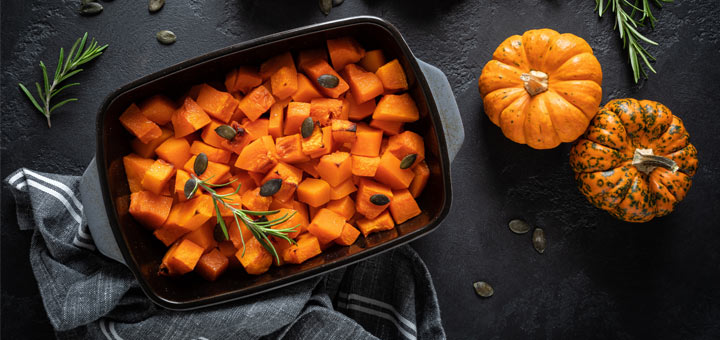
Whether you use fresh or canned pumpkin, incorporating pumpkin into your meals is never a bad idea. That is especially true when pumpkins are plentiful during fall. Even the seeds, which you should not throw away after scooping out the stringy flesh, offer beneficial nutrients. The actual pumpkin flesh, though, is one of the richest sources of beta-carotene and contains other nutrients like fiber, vitamin C, carotenoids, copper, potassium, iron, and more.
What Is Pumpkin?
The pumpkin is considered one of the oldest domesticated plants. Historians suspect that tribes native to North America grew them since at least 5,000 BCE. Pumpkin is technically a fruit, but people commonly think of it as a vegetable. Fruits are edible, seed-bearing, flowering plants, which makes all squash fruits. The pumpkin is technically a winter squash that comes from the Cucurbita pepo or Cucurbita maxima plants. It is related to watermelon, zucchini, and cucumber, among other fruits and vegetables. The entire pumpkin, minus the string flesh and skin, is edible.
Pumpkin flesh and seeds are rich in a wide variety of nutrients. They contain everything from zinc and vitamin A to healthy fats and fiber. We hope that you don’t reserve pumpkins just for carving this year and that you enjoy them for all their health benefits. If you choose to use canned pumpkin, make sure it is 100% pure pumpkin, not pumpkin pie filling. The former is real pumpkin, while the latter is rich in processed ingredients, added sugars, and unhealthy oils. Continue reading to learn why you should eat more pumpkin.
May Help Regulate Blood Pressure
A one-cup serving of cooked pumpkin provides more than 12% of the recommended daily intake (RDI) of potassium. Potassium is an electrolyte found in bananas, avocados, squash, potatoes, and other fruits and vegetables. Most adults lack sufficient potassium in their diets, which is a shame since potassium may help regulate blood pressure. It works to counteract the effects of sodium, which most Americans consume in excess regularly. Additionally, the fiber in pumpkin may help promote healthy cholesterol levels, which lowers the risk of heart disease.
Provides Manganese And Copper
These two minerals may not receive as much attention as other nutrients, but they are integral to overall health. Manganese helps protect against bone density loss and fractures. The anti-inflammatory properties of manganese may also help encourage optimal metabolic, joint, and brain health. Copper, on the other hand, helps promote the formation of hemoglobin and collagen. It also aids with the synthesis of enzymes and proteins involved with respiration, energy metabolism, and DNA synthesis.
Helps Maintain Healthy Vision
Pumpkin’s vibrant orange color is attributed to the impressive beta-carotene content. Beta-carotene is a precursor to vitamin A and essential for maintaining healthy vision as you age. Several studies indicate that beta-carotene may help lower the risk of age-related macular degeneration and cataracts, two common age-related causes of vision loss. Lutein and zeaxanthin are two other carotenoids in pumpkins and they work to protect the eyes from oxidative stress and UV light.
Supports Healthy Skin
Pumpkins contain vitamins A, C, and E, in addition to zinc, all of which contribute to healthier skin. Vitamin C works to enhance collagen production and improve skin elasticity, which helps reduce the signs of aging. Zinc aids inflammation reduction and may help people with acne-prone skin. Lastly, research published in the American Journal of Clinical Nutrition claimed that beta-carotene works to protect the skin from UV rays.
Lots Of Vitamins C & E
A one-cup serving of cooked pumpkin contains 13% of the RDI of both vitamin C and vitamin E. Vitamin C, as we mentioned previously, supports collagen synthesis and helps protect cells from tissue damage. It is also an integral antioxidant for optimal immune function and neurological health. Vitamin E also offers antioxidant effects, and a diet rich in vitamin E has been linked to a reduced risk of PMS symptoms, Alzheimer’s disease, acne, wrinkles, and hormonal problems. Vitamin E also works to prevent free radical damage, which may help to decrease the risk of several cancers, including colorectal and prostate cancer.

Vincent Stevens is the senior content writer at Dherbs. As a fitness and health and wellness enthusiast, he enjoys covering a variety of topics, including the latest health, fitness, beauty, and lifestyle trends. His goal is to inform people of different ways they can improve their overall health, which aligns with Dherbs’ core values. He received his bachelor’s degree in creative writing from the University of Redlands, graduating summa cum laude. He lives in Los Angeles, CA.