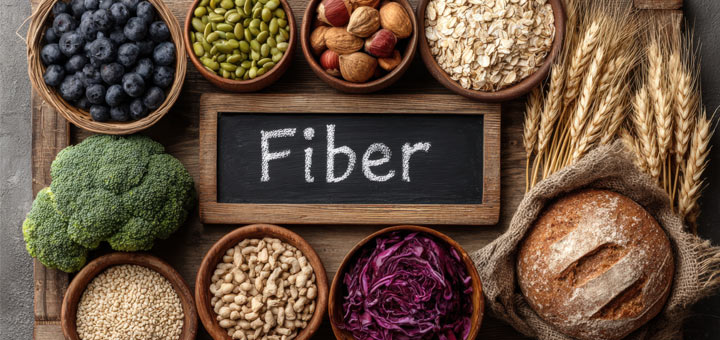
Fiber is the nutrient everyone knows they need, and yet most people manage to not meet the recommended daily intake (RDI). Today’s Western diet lacks a lot of fiber, and the average American consumes less than 50% of the RDI of fiber each day. That is a big deal when you consider that high-fiber foods support heart and digestive health, guarding against conditions like diverticulitis, heart disease, obesity, and so much more.
There are certain diets that prioritize fibrous foods, but you don’t have to adhere to a specific diet to eat more fiber. You can eat a balanced diet and add more high-fiber foods to your meals. Which foods are rich in fiber, and how can you be sure that you are getting enough? The general recommendation is to consume 25 to 28 grams of fiber per day for women, and 31 to 38 grams for men.
The more consistent you are with your fiber intake, the likelier you are to stay at a healthy weight. Additionally, following a high-fiber diet can help maintain healthy blood pressure, cholesterol, and triglyceride levels. Continue reading to learn about great high-fiber foods you can easily add to your diet.
Black Beans
Black beans provide 15 grams of fiber per cup of cooked, mature black beans. They also provide a lot of protein and a diverse mix of flavonoids and antioxidant compounds that help to fight free radicals. Black beans also offer magnesium, manganese, phosphorus, folate, and thiamine.
Chia Seeds
They may be small, but their nutritional profile is mighty! Chia seeds are high in fiber, omega-3 fatty acids, and other essential nutrients that help support energy, healthy digestion, and brain function. Offering nine grams of fiber per ounce, chia seeds are excellent high-fiber superstars to include in your diet. They also offer calcium, phosphorus, protein, omega-3s, and manganese. Some people are sensitive to chia seeds, the same way they are to legumes, so increase water intake to help minimize bloating and other related symptoms when you eat them.
Oats
Oats actually contain a special type of fiber called beta-glucan, which may help lower harmful LDL cholesterol to prevent plaque buildup in the arteries. They are also rich in protein, iron, manganese, thiamine, selenium, magnesium, and zinc. Just one cup of oats provides 8.2 grams of fiber. Ideally, you should opt for steel-cut or rolled oats that are free of added sweeteners and flavors. That means no flavored oatmeal packets!
Chickpeas
Chickpeas happen to be one of the best sources of dietary fiber, offering 12.5 grams of fiber per cup of cooked chickpeas. They offer a diverse mix of essential nutrients, especially manganese (satisfying 84% of the RDI). Chickpeas also contain omega-3s, omega-6s, folate, copper, protein, and folate.
Artichokes
These low-calorie vegetables happen to be rich in fiber and other essential nutrients. One medium artichoke supplies nearly 50% of the RDI of fiber for women and a third for men. Notable nutrients include vitamins A, C, E, B, and K, calcium, potassium, phosphorus, and magnesium. You can steam, bake, or boil artichokes and season them with lemon juice, olive oil, herbs, spices, and red onion. Spinach artichoke dip is not a healthy way to eat artichokes, in case you were wondering.
Acorn Squash
Winter squash varieties, such as acorn squash, butternut squash, and pumpkins, are excellent sources of beta-carotene, among other nutrients. Their signature orange flesh is rich in soluble fiber, which slows the rate at which the body digests food, allowing for maximum nutrient absorption. In addition to offering nine grams of fiber per cup, acorn squash also offers vitamins A, B6, and C, magnesium, folate, potassium, thiamine, and manganese.
Durian
This is not the most popular fruit in America. It is very strange looking and you either love it or hate it, as both the smell and flavor can be very off-putting to many people. That said, it is very nutrient-dense, offering an impressive amount of healthy fats. Because of that, it is higher in calories than most other fruits. It is similar to avocados in that way. Durian offers 9.2 grams of fiber per cup, and also contains vitamin C, potassium, manganese, and some B vitamins.
Coconut
With a low-glycemic index, coconut is great to incorporate into your diet if you are watching your blood glucose levels. Coconut flour contains four to six times the amount of fiber as oat bran, and coconut meat itself offers 7.2 grams of fiber per cup. Coconut meat is also rich in selenium, folate, manganese, and omega-6s. Make sure to buy desiccated coconut instead of sweetened coconut flakes, as the latter version is very unhealthy and comes with no nutritional benefits.
Almonds
Nuts, like almonds, are great sources of protein, healthy fats, and fiber. Almonds are lower in calories and fats compared to most other nuts, though. They do offer 11.5 grams of fiber per cup, though. They also offer impressive amounts of magnesium, protein, riboflavin, manganese, and vitamin E. You can enjoy them as a snack or blend them into sauces or energy bal recipes.
Raspberries
Raspberries contain a lot of manganese, which helps support healthy bones, skin, and blood sugar. Because they are so easy to eat, as they are slightly tangy and sweet, they rank high on the list of high-fiber foods for children and adults. They offer eight grams of fiber per cup, in addition to other nutrients like vitamins C and K and manganese.

Vincent Stevens is the senior content writer at Dherbs. As a fitness and health and wellness enthusiast, he enjoys covering a variety of topics, including the latest health, fitness, beauty, and lifestyle trends. His goal is to inform people of different ways they can improve their overall health, which aligns with Dherbs’ core values. He received his bachelor’s degree in creative writing from the University of Redlands, graduating summa cum laude. He lives in Los Angeles, CA.