What Is Iron Tea?
Iron Tea is a carefully selected blend of herbs traditionally used to support overall nourishment, healthy circulation, and everyday vitality. The formula combines alfalfa leaf, nettle leaf, catnip leaf, dandelion leaf, burdock leaf, anise seed, fennel seed, red raspberry leaf, chickweed, and stevia leaf. Rather than relying on a single botanical, Iron Tea combines several nutrient-containing herbs in one convenient tea.
The result is an easy way to incorporate a variety of plant-based ingredients into your daily wellness routine. Iron Tea can be enjoyed warm or cold and contains 20 tea bags per container, making it convenient for regular use at home, work, or while traveling.
How Iron Tea Supports Overall Wellness
Iron is an important mineral involved in several normal processes in the body, while healthy circulation helps deliver oxygen and nutrients throughout the body. Maintaining a balanced, nutrient-rich diet is an important part of supporting these normal functions.
Iron Tea complements a healthy lifestyle with a combination of herbs traditionally valued for their nutritional and wellness properties. Nettle, alfalfa, dandelion, burdock, and red raspberry leaf are particularly notable botanicals in this blend because they naturally contain a variety of plant nutrients and minerals.
This herbal tea is designed as a convenient addition to a balanced diet rather than as a replacement for nutritious foods or medical care.
Why Choose an Herbal Iron Tea?
Many people enjoy herbal teas because they provide a simple way to incorporate botanicals into their daily routine. Iron Tea offers a convenient alternative to taking another capsule or tablet when you simply want to enjoy an herbal beverage.
The blend can be prepared in minutes and enjoyed either hot or chilled. Its combination of herbs also provides a broader botanical profile than a single-ingredient tea.
For people focused on overall wellness, Iron Tea can be paired with a balanced diet containing naturally iron-rich foods such as beans, lentils, leafy green vegetables, seeds, and other nutrient-dense foods.
Key Herbs in Iron Tea
Alfalfa Leaf
Alfalfa leaf is a nutrient-dense botanical containing a variety of naturally occurring vitamins, minerals, and plant compounds. It has a long history of use in traditional herbal practices and contributes nutritional diversity to this herbal tea blend.
Nettle Leaf
Nettle leaf is one of the most notable herbs in Iron Tea. It naturally contains minerals and other plant nutrients and is traditionally valued as a nourishing botanical. Nettle is a popular ingredient in herbal teas intended to complement a nutrient-conscious lifestyle.
Catnip Leaf
Catnip leaf contains essential plant compounds and has been historically used to promote relaxation while complementing this nutrient-rich herbal blend.
Dandelion Leaf
Dandelion leaf contributes naturally occurring minerals and plant compounds to the formula. Dandelion has a long history in traditional herbal preparations and is commonly enjoyed as part of wellness-focused tea blends.
Burdock Leaf
Burdock leaf adds additional botanical diversity to Iron Tea. Traditionally used as a nourishing herb, burdock contributes plant compounds that complement the other ingredients in this formula.
Red Raspberry Leaf
Red raspberry leaf has been used traditionally as an herbal tea ingredient for generations. It naturally contains a variety of plant nutrients and contributes a mild, pleasant botanical character to the blend.
Fennel and Anise Seeds
Fennel seed and anise seed contribute their naturally aromatic flavor to Iron Tea. Both botanicals have a long history of traditional use and help create a more enjoyable herbal tea experience.
Chickweed
Chickweed is a gentle botanical that contributes additional plant-based nutrients to the formula and complements the other herbs in this diverse blend.
Stevia Leaf
Stevia leaf provides natural sweetness, helping create a pleasant flavor without requiring conventional added sugar.
How to Prepare Iron Tea
Preparing Iron Tea is simple. Place one tea bag in a cup and add boiled water. Allow the tea to steep for approximately five minutes, then remove the tea bag and allow the tea to cool to a comfortable drinking temperature.
Iron Tea can be enjoyed warm or cold. If desired, add a small amount of lemon juice or your preferred sweetener.
Iron Tea and a Balanced Diet
An herbal tea should complement, rather than replace, a nutritious diet. Foods that naturally contain iron include beans, lentils, tofu, spinach and other leafy greens, seeds, nuts, and fortified foods.
Pairing a varied diet with regular hydration, adequate sleep, physical activity, and other healthy lifestyle habits provides a broader foundation for overall wellness. Iron Tea can be a convenient beverage to include alongside these healthy habits.
Foods That Contain Iron
Iron is an essential mineral found in a wide variety of foods. Including different sources of dietary iron in a balanced diet can help you meet your daily nutritional needs. Iron occurs naturally in both animal and plant foods, while some breads, cereals, and other grain products are fortified with additional iron.
Animal Foods Rich in Iron
Meat, seafood, and poultry contain heme and nonheme iron, with heme iron generally being more readily absorbed by the body. Some of the better animal-based sources of iron include lean beef, poultry, oysters, clams, sardines, tuna, and other seafood. Eggs also provide iron and can be included as part of a varied diet.
Plant-Based Foods That Contain Iron
There are many plant-based sources of iron, making it possible to incorporate iron-containing foods into vegetarian and vegan diets. Good options include lentils, white beans, kidney beans, peas, tofu, spinach, other dark leafy greens, nuts, seeds, whole grains, and iron-fortified cereals and breads. Dried fruits such as raisins, prunes, and apricots also contain iron.
Plant foods contain nonheme iron, which is absorbed differently from heme iron. For this reason, variety is important when building a nutrient-dense, plant-based diet.
Pair Iron-Rich Foods With Vitamin C
One simple way to support the absorption of nonheme iron is to combine plant-based sources of iron with foods that contain vitamin C. Citrus fruits, strawberries, tomatoes, sweet peppers, and broccoli are examples of vitamin C-rich foods that can be paired with beans, lentils, leafy greens, tofu, or other plant-based sources of iron.
For example, try adding bell peppers and tomatoes to a lentil salad, serving broccoli alongside beans, or adding fresh strawberries or citrus fruit to a meal containing iron-rich plant foods.
Easy Ways to Add More Iron-Containing Foods to Your Diet
Adding iron-containing foods doesn't have to make meals complicated. Try incorporating lentils or beans into soups and salads, adding spinach or other leafy greens to smoothies and cooked dishes, choosing fortified breakfast cereals, sprinkling pumpkin or other seeds over salads and oatmeal, or including tofu in stir-fries and grain bowls.
The goal is to consume a varied diet that provides iron along with other essential nutrients. Iron needs differ depending on factors such as age, sex, and life stage, so individual dietary needs can vary.
Iron Tea can complement a balanced, nutrient-conscious lifestyle by providing a convenient herbal beverage made with a variety of botanicals, while whole foods remain an important foundation of everyday nutrition.
Who May Enjoy Iron Tea?
Iron Tea may appeal to adults who enjoy herbal teas and want to incorporate nutrient-containing botanicals into their daily routine. It can be especially appealing to people who prefer plant-based wellness products and enjoy drinking tea rather than taking another capsule or tablet.
Iron Tea includes botanicals such as alfalfa leaf, nettle leaf, and red raspberry leaf that contribute to its nourishing botanical profile. It's an appealing choice for individuals looking to complement a lifestyle focused on healthy circulation, nourishment, and everyday vitality.
If you are concerned about your iron status or have been diagnosed with an iron-related condition, speak with your healthcare professional about appropriate testing and supplementation. Iron needs can vary considerably between individuals, and an herbal tea should not be used as a substitute for professional medical advice or prescribed treatment.
Why Add Iron Tea to Your Daily Routine?
Iron Tea makes it easy to incorporate a variety of traditional herbs into one convenient beverage. With 20 individually packaged tea bags per container, it can become a simple part of a morning, afternoon, or evening wellness routine.
Enjoy it hot during cooler months or prepare it ahead of time and serve it chilled for a refreshing herbal beverage. The carefully selected ingredients in this blend also complement a lifestyle focused on healthy circulation and overall vitality.
Iron Tea vs. Iron Supplements
Herbal nourishment vs. measured iron supplementation
Iron Tea and conventional iron supplements serve different purposes. Iron supplements are specifically formulated to provide a measured amount of iron, while Iron Tea is an herbal beverage made from a blend of botanicals traditionally used as part of a wellness routine.
If you are specifically trying to increase your dietary iron intake, look also at your overall diet and the nutritional content of the foods and supplements you consume.
Iron Tea vs. Iron Formula
Herbal tea vs. daily capsule support
Iron Tea and our Iron Formula share several botanical ingredients and can appeal to people looking for plant-based nutritional support, but they provide two different ways to incorporate herbs into a wellness routine.
Iron Tea is a beverage made from 10 botanicals, including alfalfa leaf, nettle leaf, dandelion leaf, burdock leaf, red raspberry leaf, fennel seed, anise seed, chickweed, catnip, and stevia. It is ideal for people who enjoy herbal tea and want a nourishing botanical beverage they can drink hot or cold.
Iron Formula is a convenient capsule formula containing alfalfa, nettle leaf, dandelion leaf, chickweed, spinach leaf, burdock root, and pumpkin seed. It is specifically formulated to support healthy iron levels, normal red blood cell health, oxygen transport, circulation, and everyday vitality.*
Choose Iron Tea when you want a soothing nutrient-rich herbal tea that can become part of your daily beverage routine. Consider Iron Formula when you want a more concentrated capsule-based formula specifically designed around plant-based iron support and healthy blood function.*
Iron Tea vs. Circulation Aid
Nourishing herbal tea vs. targeted circulation support
Although Iron Tea can complement a wellness routine focused on healthy circulation, it serves a different purpose from our Circulation Aid.
Iron Tea combines nutrient-containing herbs in an easy-to-drink herbal blend. Its broader purpose is nourishment, botanical diversity, and everyday wellness.
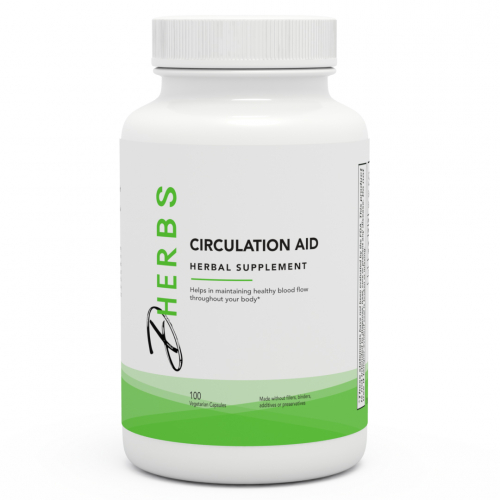
Circulation Aid is a four-herb capsule formula containing hawthorn berry, cinnamon bark, ginger root, and cayenne fruit. It is formulated specifically to support healthy blood flow, normal circulation, and overall vascular wellness.*
Consider Iron Tea when you want a nourishing herbal wellness tea that complements a nutrient-conscious diet. Consider Circulation Aid when your primary wellness goal is more specifically focused on blood circulation and healthy blood flow.*
Iron Tea vs. Iron Formula vs. Circulation Aid
Choosing the right type of support
While these three Dherbs products have some overlapping wellness themes, each has a different primary purpose.
Iron Tea is the beverage option. It combines multiple herbs in a convenient tea for people seeking plant-based nourishment, botanical variety, and a daily herbal wellness ritual.
Iron Formula is the more targeted option for healthy iron levels, red blood cell health, normal oxygen transport, and circulation.*
Circulation Aid focuses specifically on healthy circulation, blood flow, and vascular wellness.*
The best choice depends on the type of support you're looking for: a nourishing daily tea, targeted plant-based iron support, or a formula centered specifically on circulation.
20 tea bags per container