Herbal support for your venous system
Help maintain the vessels responsible for returning blood to the heart
Your circulatory system contains an enormous network of blood vessels, and veins perform an essential part of that system.
Veins Formula is formulated specifically to support healthy veins, normal venous function, and circulation.*
Instead of relying on one botanical, we combine 15 herbs with different traditional uses and phytochemical profiles. Horse chestnut and butcher’s broom anchor the vein-focused formula, while horsetail, witch hazel, manjistha, ginger, cayenne, cinnamon, calendula, and other botanicals broaden its herbal profile.
The result is a convenient daily supplement for people who want to make vein health part of their overall cardiovascular wellness routine.
Understanding what your veins do
Blood has to make the return trip
Arteries primarily carry blood away from the heart, while veins return blood toward it.
That return journey presents a particular challenge in the lower body because blood traveling from the legs toward the heart must move against gravity. Veins contain valves that help maintain one-way movement, while contractions of surrounding muscles—particularly during walking and other movement—help support normal venous return.
Maintaining healthy veins is therefore about more than appearance. Your veins are working continuously as part of the body's circulatory network.
Vein health vs. circulation
Closely connected but not exactly the same thing
Vein health and circulation overlap, but the terms aren't interchangeable.
Circulation describes the movement of blood throughout the cardiovascular system. Vein health focuses specifically on the vessels responsible for returning blood toward the heart.
Veins Formula places its primary emphasis on maintaining healthy veins and the venous system while also supporting normal circulation.*
That distinction is important when comparing it with broader circulation supplements.
Veins Formula vs. Circulation Aid
Vein-focused support vs. broader blood-flow support
Our Veins Formula and Circulation Aid complement the same general area of wellness from different perspectives.
Veins Formula is specifically formulated around the veins and venous system. It contains 15 herbs, including horse chestnut, butcher’s broom, horsetail, witch hazel, manjistha, white oak bark, and other botanicals selected to complement vein and vascular wellness.*
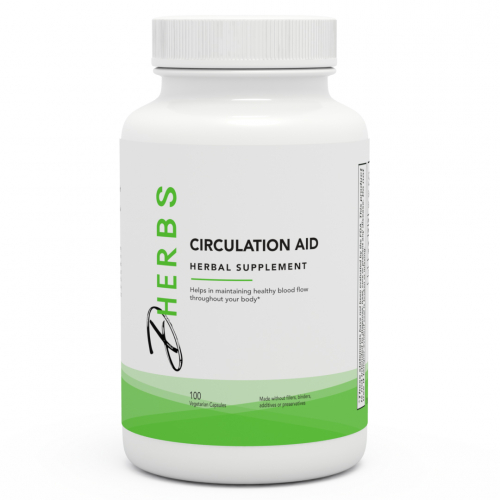
Circulation Aid has a simpler four-herb formula featuring hawthorn berry, cinnamon bark, ginger root, and cayenne fruit. Its primary emphasis is maintaining healthy blood flow and normal circulation throughout the body.*
Choose Veins Formula when vein and venous-system support is your primary goal.
Choose Circulation Aid when you're looking for broader herbal support for healthy blood flow.
The two products serve complementary rather than identical purposes.
Veins Formula vs. Cardiovascular
Vein wellness vs. broader cardiovascular support
Your veins belong to the cardiovascular system, but cardiovascular wellness encompasses considerably more than veins alone.
Veins Formula concentrates on maintaining healthy veins, venous integrity, and normal circulation.*
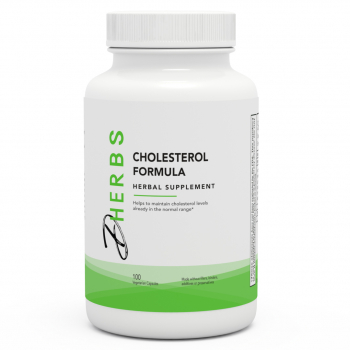
Our Cardiovascular formula takes a broader approach to supporting the cardiovascular system as a whole.
For customers building a comprehensive cardiovascular wellness routine, understanding that difference makes it easier to choose a product according to the specific type of support they're seeking.
Herbal vein support vs. compression garments
Nutritional supplementation and physical support work differently
Veins Formula is an ingestible botanical supplement designed to support healthy veins and venous function from within.*
Compression socks and stockings are external garments that apply graduated physical pressure to the legs. They serve a completely different purpose and are sometimes recommended by healthcare professionals for specific venous conditions.
One should not automatically be considered a replacement for the other.
If compression garments have been medically recommended, don't discontinue them because you're taking Veins Formula.
Vein supplements vs. varicose vein treatments
Daily wellness support is different from medical treatment
Veins Formula supports healthy veins and normal venous function, but it is not a treatment that physically removes existing varicose or spider veins.*
Medical procedures used for problematic veins can include sclerotherapy, laser procedures, endovenous treatments, and other physician-directed approaches.
If you have prominent veins accompanied by persistent swelling, skin changes, significant discomfort, warmth, redness, or other concerning symptoms, seek medical evaluation rather than relying exclusively on a supplement.
Why movement matters for healthy veins
Your leg muscles help support venous return
The calf muscles are sometimes described as a peripheral pump because muscular contractions during walking help move venous blood upward from the lower legs.
That makes regular movement an important part of a vein-conscious lifestyle.
If you spend long periods sitting or standing, periodically changing position and walking can help break up extended periods of inactivity. Exercise, hydration, balanced nutrition, maintaining an appropriate body weight, and avoiding tobacco also contribute to broader cardiovascular wellness.
Veins Formula is designed to complement these habits, not replace them.
15 herbs for comprehensive botanical vein support
Horse chestnut
Horse chestnut (Aesculus hippocastanum) is one of the best-known botanicals associated with traditional venous support.
Its most notable constituents are aescin (escin) saponins. Horse chestnut also naturally contains flavonoids, procyanidins, tannins, and related polyphenols.
We include horse chestnut because of its established traditional association with supporting normal venous function and healthy veins.*
Manjistha root
Manjistha (Rubia cordifolia), also known as Indian madder, has a long history in Ayurvedic herbal traditions.
Its roots contain several notable anthraquinones, including alizarin, purpurin, rubiadin, and munjistin-related compounds. Researchers have also identified triterpenoids and other phytochemicals in the plant.
We use manjistha to broaden the botanical diversity of Veins Formula and complement the formula's traditional circulatory wellness profile.*
Butcher's broom root
Butcher's broom (Ruscus aculeatus) has a long history of use in European herbal traditions centered around the veins and lower extremities.
Its most characteristic compounds include steroidal saponins known as ruscogenins and neoruscogenins, along with flavonoids and other phytochemicals.
We include butcher's broom because its traditional use aligns particularly well with the vein-focused purpose of Veins Formula.*
Cinnamon bark
Cinnamon bark contributes aromatic polyphenols and other botanical compounds.
Its characteristic constituents can include cinnamaldehyde, cinnamic acid, procyanidins, and other polyphenols, depending on the cinnamon species and preparation. Whole cinnamon also naturally contains minerals such as manganese and calcium, although Veins Formula shouldn't be considered a significant dietary source of those minerals.
We include cinnamon to complement the formula's broader circulatory wellness profile.*
Ginger root
Ginger (Zingiber officinale) contains the pungent phenolic compounds gingerols, particularly 6-gingerol, along with shogaols, paradols, and aromatic terpenes.
We include ginger because of its extensive traditional use in herbal wellness and its natural fit within a circulation-focused botanical blend.*
Knotgrass herb
Knotgrass (Polygonum aviculare) is a traditional botanical containing a range of naturally occurring plant compounds.
These include flavonoids such as quercetin derivatives and avicularin, along with tannins, phenolic acids, and other polyphenols. The plant can also contain mineral constituents, including silica-related compounds.
We include knotgrass to complement the broader herbal profile of Veins Formula and its traditional focus on vascular wellness.*
White oak bark
White oak (Quercus alba) bark is particularly notable for its tannins, the naturally occurring astringent polyphenolic compounds characteristic of oak bark.
Additional plant compounds can include flavonoids and phenolic constituents.
We use white oak bark because its tannin-rich botanical profile complements the formula's traditional emphasis on maintaining strong, healthy tissues and veins.*
Bayberry bark
Bayberry bark (Morella cerifera, traditionally Myrica cerifera) has historically been valued as an astringent botanical.
Its bark contains tannins, flavonoids, triterpenes, and related phenolic compounds.
We include bayberry bark to complement the tannin-rich and astringent botanicals within Veins Formula.
Cayenne fruit
Cayenne (Capsicum annuum) provides naturally occurring capsaicinoids, particularly capsaicin and dihydrocapsaicin. It also contains carotenoid pigments and various antioxidant plant compounds.
Fresh peppers can contain vitamin C, provitamin A carotenoids, vitamin B6, and potassium.
We include cayenne because of its longstanding traditional association with circulation-focused herbal formulas.*
Horsetail
Horsetail (Equisetum arvense) is particularly notable among herbs for its silica content.
The plant also contains flavonoids, phenolic acids, and mineral constituents including potassium and manganese in varying amounts.
We include horsetail because its silica-rich profile complements the structural wellness focus of Veins Formula.*
Wood betony herb
Wood betony (Stachys officinalis) is a traditional European herb containing numerous naturally occurring phytochemicals.
Its constituents include phenylethanoid glycosides, tannins, flavonoids, iridoids, and rosmarinic acid-related phenolic compounds.
We use wood betony as part of the formula's broad traditional herbal approach to circulatory wellness.*
Witch hazel leaf
Witch hazel (Hamamelis virginiana) is widely recognized for its tannin-rich botanical profile.
The leaves contain tannins, flavonoids, and phenolic compounds, including gallotannin-related constituents and proanthocyanidins.
We include witch hazel leaf because of its traditional association with vein and vascular wellness and its complementary astringent plant compounds.*
Calendula flower
Calendula (Calendula officinalis) flowers contain a diverse collection of plant compounds, including flavonoids, carotenoids, triterpenoids, and phenolic compounds. The carotenoids can include lutein and related pigments.
We use calendula to complement the formula's botanical approach to maintaining healthy vascular tissues.*
Goldenseal root
Goldenseal (Hydrastis canadensis) is especially notable for its naturally occurring isoquinoline alkaloids. These include berberine, hydrastine, and canadine.
We include goldenseal as one component of the formula's traditional botanical profile.
Critical note: Goldenseal can interact with medications and should not be used during pregnancy or breastfeeding. If you take prescription medication, consult your healthcare professional before using Veins Formula.
Yunnan tuocha leaf
Yunnan tuocha is a type of fermented or post-fermented tea traditionally associated with China's Yunnan region.
Tea leaves naturally contain polyphenols, catechins, flavonoids, caffeine, and the amino acid L-theanine, although concentrations can change considerably with processing and fermentation. Tea leaves can also contain manganese and other minerals.
We include Yunnan tuocha leaf to round out the formula with tea-derived polyphenols and complementary botanical compounds.*
Saponins vs. flavonoids vs. tannins
Different plant compounds contribute to botanical diversity
Veins Formula doesn't rely on one class of phytochemicals.
Horse chestnut supplies characteristic saponins such as aescin, while butcher's broom provides ruscogenins. Manjistha contributes anthraquinones. Witch hazel, white oak, and bayberry contribute tannin-rich botanical profiles. Other herbs provide flavonoids, phenolic acids, carotenoids, alkaloids, and additional naturally occurring compounds.
This diversity is one of the reasons we use a 15-herb formula rather than building Veins Formula around a single ingredient.
Horse chestnut vs. butcher's broom
Two traditional vein herbs with different phytochemistry
Horse chestnut and butcher's broom are frequently associated with vein-focused herbal products, but they're different plants.
Horse chestnut is particularly known for aescin, a family of triterpenoid saponins.
Butcher's broom is known for steroidal saponins including ruscogenin and neoruscogenin.
Veins Formula includes both rather than forcing you to choose between two traditional approaches to botanical vein support.*
How to use
Consistency matters
Adults: Take 3 capsules of Veins Formula daily.
Children under 12: Take 1 capsule daily.
Take consistently for optimum benefit.
Individual experiences vary. Diet, activity level, age, medications, overall health, and numerous other factors can influence how someone responds to an herbal supplement.
We recommend evaluating Veins Formula as part of a broader wellness routine rather than expecting an immediate physical change after a single serving.
Supporting healthy veins naturally
Combine herbal support with everyday movement
Taking Veins Formula is only one part of a vein-conscious lifestyle.
Regular walking and physical activity engage the muscles of the lower body. Avoiding unnecessarily long periods of sitting can also help keep you moving throughout the day.
Hydration, balanced nutrition, maintaining cardiovascular wellness, and following your healthcare provider's recommendations provide the broader foundation.
For people who sit at a desk for long periods, consider getting up periodically and walking for several minutes. If your work requires prolonged standing, changing position and incorporating movement whenever practical can also help prevent extended periods of complete inactivity.
100 vegetarian capsules per bottle (30-day supply)