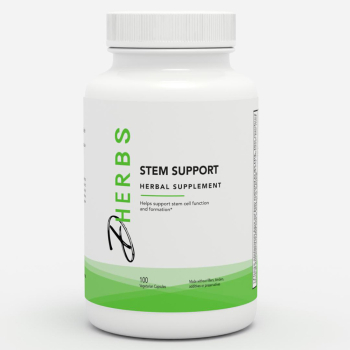
Anti-T Formula combines antioxidant-rich herbs, functional mushrooms, roots, fruits, and other botanicals to support the body's natural defenses against free radicals and everyday environmental stressors.* Our 14-ingredient vegan formula features reishi, maitake, shiitake, chaga, turmeric, astragalus, sea buckthorn, garlic, graviola, suma, and other carefully selected botanicals to support cellular wellness, resilience, and whole-body vitality.*
Antioxidant support for everyday cellular wellness
Every day, cells are exposed to normal metabolic activity and environmental factors that can generate free radicals. The body has sophisticated antioxidant systems that help maintain balance, while antioxidant-rich foods and botanicals provide additional nutritional support.
A 14-ingredient botanical and mushroom blend
Anti-T Formula brings together four functional mushrooms with roots, leaves, fruits, and other botanicals traditionally valued for their antioxidant, adaptogenic, cleansing, and wellness-supporting properties.* Instead of relying on one antioxidant compound, our formula provides a diverse spectrum of naturally occurring plant and mushroom constituents.
Understanding free radicals
Free radicals are unstable molecules containing an unpaired electron. They form naturally during metabolism and can also be influenced by environmental factors.
Balance matters more than eliminating free radicals
Free radicals are not inherently something the body needs to eliminate completely. Some participate in normal biological processes, including cellular signaling and immune responses.
The goal of antioxidant defenses is maintaining an appropriate balance between reactive molecules and the systems that regulate them.
Understanding oxidative stress
Oxidative stress occurs when reactive molecules exceed the body's ability to adequately regulate them.
Supporting normal antioxidant defenses
The human body produces its own antioxidant enzymes, including superoxide dismutase, catalase, and glutathione peroxidase. Nutrition provides additional antioxidant nutrients and phytonutrients.
Anti-T Formula complements these natural defenses with antioxidant-rich mushrooms and botanicals.*
Environmental stressors and the body
Air pollution, ultraviolet radiation, smoke, certain chemicals, and other environmental exposures can contribute to oxidative processes.
Botanical support for modern environments
Anti-T Formula is designed to help support the body's resilience against everyday environmental stressors by supplying naturally occurring antioxidant and phytonutrient compounds.*
It does not create a physical barrier against pollution or environmental exposure. Reducing unnecessary exposure remains important whenever possible.
Antioxidants and cellular health
Cells continuously perform thousands of chemical reactions necessary for life. Maintaining healthy cells requires adequate nutrition, normal antioxidant defenses, DNA repair mechanisms, energy production, and numerous other biological processes.
Supporting cells from multiple botanical sources
The mushrooms, roots, leaves, and fruits in Anti-T Formula contain naturally occurring polyphenols, polysaccharides, terpenoids, carotenoids, curcuminoids, sulfur compounds, and other phytonutrients.
This botanical diversity is central to the formula.
Four functional mushrooms in one formula
Anti-T Formula contains maitake, reishi, shiitake, and chaga mushrooms.
Different mushrooms provide different compounds
Mushrooms aren't nutritionally identical. Reishi is known for triterpenes and polysaccharides; maitake and shiitake provide beta-glucans and other polysaccharides; chaga contains polyphenolic compounds, polysaccharides, and naturally occurring pigments.
Combining four species creates a more diverse mushroom profile than relying on one mushroom alone.
Reishi mushroom and wellness
Reishi has a long history of use in East Asian wellness traditions and remains one of the world's most recognizable functional mushrooms.
Polysaccharides and triterpenes
Reishi contains beta-glucans and other polysaccharides alongside characteristic triterpenoid compounds. These naturally occurring constituents are among the primary reasons reishi continues to attract interest in functional mushroom nutrition.
Maitake mushroom and immune wellness
Maitake is both a culinary and functional mushroom.
Beta-glucan-rich mushroom nutrition
Maitake contains polysaccharides, including beta-glucans, that interact with components of the immune system. We include maitake as part of the formula's broader mushroom and botanical approach to normal immune wellness.*
Shiitake mushroom and nutritional support
Shiitake has been consumed as food for centuries and provides several naturally occurring nutrients and mushroom-specific compounds.
More than a culinary mushroom
Shiitake naturally provides beta-glucans, sterols, amino acids, minerals, and other compounds. Its inclusion adds another functional mushroom profile to the formula rather than duplicating the exact properties of reishi or maitake.
Chaga mushroom and antioxidant compounds
Chaga differs considerably from the other mushrooms in the blend in both appearance and chemical composition.
A polyphenol-rich functional mushroom
Chaga naturally contains polyphenols, polysaccharides, triterpenoid compounds, and pigments. We include it to broaden the antioxidant and phytonutrient diversity of Anti-T Formula.*
Turmeric root and curcuminoids
Turmeric is one of the most researched botanical ingredients in modern nutritional science.
Curcumin and related plant compounds
Turmeric contains a family of naturally occurring compounds called curcuminoids, the best known of which is curcumin. These compounds have antioxidant properties and contribute to turmeric's characteristic golden color.
Our formula uses turmeric as one component of a much broader antioxidant blend rather than relying exclusively on curcumin.
Astragalus root and resilience
Astragalus has been used for centuries in traditional Chinese herbal practices.
Traditional adaptogenic support
Astragalus contains naturally occurring polysaccharides, flavonoids, and saponins. It has traditionally been associated with vitality, resilience, and immune wellness, making it a complementary botanical alongside the formula's functional mushrooms.*
Garlic and sulfur compounds
Garlic provides a distinctly different phytochemical profile from mushrooms and antioxidant fruits.
Naturally occurring organosulfur compounds
When garlic tissue is crushed or processed, naturally occurring compounds can undergo chemical transformations that produce characteristic sulfur-containing constituents.
These compounds contribute to garlic's aroma and its long-standing nutritional and botanical interest.
Sea buckthorn and colorful phytonutrients
Sea buckthorn produces bright orange berries with an unusually diverse nutritional profile.
Carotenoids, vitamin compounds and plant oils
Sea buckthorn naturally contains carotenoids, flavonoids, vitamin C, vitamin E, and plant oils. Its colorful pigment profile complements the compounds supplied by mushrooms, roots, and leaves.
Suma root and adaptogenic tradition
Suma is a South American botanical sometimes called Brazilian ginseng, although it is botanically different from true Panax ginseng.
Supporting vitality and resilience
Suma contains naturally occurring saponins, phytosterols, amino acids, minerals, and other plant compounds. It has traditionally been used as an adaptogenic botanical associated with vitality and resilience.*
Chickweed and traditional herbal wellness
Chickweed is a delicate green herb with a long history of traditional botanical use.
Gentle botanical support
Chickweed provides flavonoids, saponins, phenolic compounds, and other naturally occurring constituents. Its inclusion contributes to the formula's botanical diversity rather than serving as its primary antioxidant ingredient.
Graviola leaf and phytonutrients
Graviola, also known as soursop, is a tropical plant traditionally used in various cultures.
Naturally occurring plant compounds
Graviola leaves contain polyphenols and other phytochemicals. We include graviola as one part of the formula's diverse botanical profile rather than positioning any single herb as responsible for the formula's overall effects.
Chaparral leaf and botanical antioxidants
Chaparral is a desert shrub traditionally used in herbal preparations.
A distinctive phytochemical profile
Chaparral naturally contains lignans and other phenolic plant compounds. Its chemical profile differs substantially from the mushrooms and fruits in the formula, adding another source of botanical diversity.
Goldenseal root and traditional herbal use
Goldenseal is a North American botanical with a long history in traditional herbalism.
Naturally occurring alkaloids
Goldenseal contains characteristic plant alkaloids, including berberine and hydrastine. These constituents distinguish goldenseal from the antioxidant mushrooms, fruits, and adaptogenic roots used elsewhere in Anti-T Formula.
Yew tips and botanical complexity
Yew belongs to the Taxus genus and has a highly distinctive phytochemical profile.
A specialized botanical ingredient
Because yew species contain potent naturally occurring compounds, Anti-T Formula should be used according to its labeled directions rather than increasing the serving based on the assumption that more herbs provide greater benefits.
Antioxidants and normal aging
Oxidative processes are one component of the complex biological changes associated with aging, alongside genetics, cellular repair, metabolism, hormonal changes, lifestyle, and environmental exposures.
Supporting healthy cells over time
Providing antioxidant-rich foods and maintaining healthy lifestyle habits can support overall wellness throughout life. Anti-T Formula can complement these habits by supplying a broad combination of antioxidant-rich botanicals and mushrooms.*
Antioxidants and immune wellness
The immune system relies on a carefully regulated network of cells, signaling molecules, tissues, and organs.
Mushrooms add another dimension
Functional mushrooms contain beta-glucans and other polysaccharides that are studied for their interactions with normal immune function. Anti-T Formula combines these mushroom compounds with antioxidant-rich herbs, roots, and fruits for broader wellness support.*
Antioxidants and a healthy lifestyle
Supplements work best as part of a broader approach to wellness.
Start with food and daily habits
Colorful fruits and vegetables, herbs, spices, nuts, seeds, legumes, adequate sleep, regular physical activity, hydration, and avoiding tobacco exposure all contribute to a lifestyle that supports normal antioxidant defenses.
Anti-T Formula complements these habits rather than replacing them.
Anti-T Formula vs. a single antioxidant supplement
Some antioxidant supplements concentrate on one compound, such as vitamin C, vitamin E, or curcumin.
Botanical diversity vs. one isolated nutrient
Anti-T Formula takes a different approach by combining 14 mushroom and botanical ingredients. This provides a broad spectrum of naturally occurring phytochemicals rather than a large standardized amount of one antioxidant.
A single-nutrient product may be preferable when you specifically want a known amount of one nutrient. Anti-T Formula is designed for broader botanical antioxidant support.
Anti-T Formula vs. mushroom supplement
A conventional mushroom blend generally focuses exclusively on functional mushrooms.
Mushrooms plus herbs, roots and fruits
Anti-T Formula contains four mushrooms — maitake, reishi, shiitake, and chaga — but doesn't stop there. The formula adds turmeric, astragalus, garlic, sea buckthorn, suma, graviola, chickweed, chaparral, yew tips, and goldenseal.
This makes it better suited to someone looking for a broad botanical antioxidant formula rather than an exclusively mushroom-based supplement.
Anti-T Formula vs. multivitamin
Both products can complement daily nutrition, but they serve different purposes.
Phytonutrients vs. standardized vitamins and minerals
A conventional multivitamin supplies measured amounts of specific essential micronutrients. Anti-T Formula focuses on mushrooms and botanicals that naturally contain antioxidant and wellness-supporting compounds.
Anti-T Formula is therefore not a replacement for a multivitamin when the goal is meeting specific vitamin or mineral requirements.
Anti-T Formula vs. turmeric supplement
Turmeric is already included in Anti-T Formula, but a standalone turmeric product typically concentrates much more heavily on turmeric or curcumin.
One botanical vs. a broad antioxidant blend
Choose a turmeric-focused supplement when curcuminoids are the specific compounds you want to emphasize. Anti-T Formula is designed for customers who prefer turmeric within a broader combination of mushrooms, adaptogens, antioxidant fruits, and traditional herbs.
Anti-T Formula vs. reishi supplement
Pure reishi concentrates on one functional mushroom.
Focused mushroom support vs. botanical variety
Anti-T Formula provides reishi alongside maitake, shiitake, chaga, turmeric, astragalus, sea buckthorn, and additional herbs.
A dedicated reishi supplement provides a more focused approach. Anti-T Formula offers greater ingredient diversity.
Anti-T Formula vs. antioxidant foods
Supplements and foods shouldn't be viewed as interchangeable.
Concentrated convenience vs. complete nutrition
Colorful fruits, vegetables, herbs, mushrooms, nuts, and seeds provide vitamins, minerals, fiber, macronutrients, water, and thousands of plant compounds within complete food matrices.
Anti-T Formula offers concentrated botanical convenience, but it does not replace a varied plant-rich diet.
Anti-T Formula vs. Anti-Aging Formula
Our Anti-Aging Formula and Anti-T Formula overlap in their emphasis on antioxidant support, and both currently contain chaga mushroom and turmeric root. Their broader formulations, however, are quite different.
Broad antioxidant defense vs. healthy-aging support
Anti-T Formula contains 14 ingredients and emphasizes free-radical defense, environmental stressors, cellular wellness, mushrooms, and botanical antioxidant diversity.*
Anti-Aging Formula contains six ingredients — milk thistle, gotu kola, ashwagandha, chaga, green tea, and turmeric — and is more specifically designed around healthy aging, vitality, cellular support, and skin wellness.*
Choose Anti-T Formula when broad antioxidant and mushroom support is the priority. Anti-Aging Formula may be more relevant when your primary focus is healthy aging and vitality.
Anti-T Formula vs. Detox Formula
Our Detox Formula focuses more directly on supporting the body's natural detoxification and elimination processes. Its 10-ingredient formula includes burdock, dandelion, milk thistle, ginger, juniper, senna, and other herbs.
Antioxidant protection vs. cleansing support
Anti-T Formula centers on antioxidant defense, cellular wellness, mushrooms, and environmental stress support.* Detox Formula centers more directly on cleansing and supporting normal detoxification processes.*
There is some conceptual overlap, but their primary purposes are different.
What's in Anti-T Formula?
Anti-T Formula contains 14 botanical and mushroom ingredients: chickweed, maitake mushroom, reishi mushroom, shiitake mushroom, chaga mushroom, garlic bulb, astragalus root, chaparral leaf, graviola leaf, turmeric root, sea buckthorn fruit, suma root, yew tips, and goldenseal root. The nutrients and compounds below are typically associated with the respective botanical ingredients.
Chickweed
Chickweed is a traditional green herb containing a variety of naturally occurring phytochemicals.
Typical vitamins: vitamin C and carotenoid-related compounds.
Typical minerals: calcium, potassium, magnesium, iron, and other trace minerals.
Notable plant compounds: flavonoids, saponins, phenolic compounds, and plant sterols.
Maitake mushroom
Maitake is an edible functional mushroom valued particularly for its polysaccharide content.
Typical vitamins: several B vitamins and vitamin D-related compounds when appropriately exposed to UV light.
Typical minerals: potassium, phosphorus, copper, zinc, and selenium.
Notable compounds: beta-glucans, other polysaccharides, ergosterol, and phenolic compounds.
Reishi mushroom
Reishi is used primarily for its specialized mushroom compounds rather than as a conventional vitamin source.
Typical minerals: potassium, phosphorus, copper, zinc, iron, and other trace minerals.
Notable compounds: beta-glucans, triterpenes such as ganoderic acids, sterols, polysaccharides, and phenolic compounds.
Shiitake mushroom
Shiitake provides both nutritional value and characteristic mushroom compounds.
Typical vitamins: riboflavin, niacin, pantothenic acid, vitamin B6, folate, and vitamin D-related compounds when UV exposed.
Typical minerals: copper, selenium, zinc, manganese, potassium, and phosphorus.
Notable compounds: beta-glucans, including lentinan-related polysaccharides, sterols, and other mushroom polysaccharides.
Chaga mushroom
Chaga is particularly recognized for its phytonutrient and antioxidant profile.
Typical minerals: potassium, manganese, copper, iron, zinc, and other trace minerals.
Notable compounds: polyphenols, polysaccharides, triterpenoids, sterols, and melanin-related pigments.
Garlic bulb
Garlic is both a culinary food and traditional botanical.
Typical vitamins: vitamin B6, vitamin C, thiamin, and small amounts of other B vitamins.
Typical minerals: manganese, selenium, calcium, phosphorus, potassium, copper, and iron.
Notable compounds: alliin and related organosulfur compounds.
Astragalus root
Astragalus is traditionally associated with vitality and immune wellness.*
Typical minerals: calcium, potassium, magnesium, iron, zinc, and other trace minerals may naturally occur.
Notable compounds: astragalosides, polysaccharides, flavonoids, and saponins.
Chaparral leaf
Chaparral is valued primarily for its specialized botanical compounds rather than as a meaningful source of essential vitamins.
Notable compounds: lignans and phenolic compounds, including NDGA-related constituents.
Graviola leaf
Graviola leaves contain a diverse range of naturally occurring plant constituents.
Notable compounds: polyphenols, flavonoids, alkaloids, and acetogenin-related compounds.
Turmeric root
Turmeric is a brightly colored root belonging to the ginger family.
Typical vitamins: vitamin B6 and small amounts of vitamin C and other micronutrients.
Typical minerals: manganese, iron, potassium, magnesium, copper, and phosphorus.
Notable compounds: curcumin, demethoxycurcumin, bisdemethoxycurcumin, and aromatic turmeric oils.
Sea buckthorn fruit
Sea buckthorn berries have an unusually rich combination of pigments, antioxidant compounds, and plant oils.
Typical vitamins: vitamin C, vitamin E, folate, and carotenoid-related provitamin A compounds.
Typical minerals: potassium, calcium, magnesium, iron, phosphorus, and other trace minerals.
Notable compounds: carotenoids, flavonoids, polyphenols, phytosterols, and naturally occurring fatty acids.
Suma root
Suma is traditionally used as an adaptogenic botanical.
Typical vitamins and minerals: iron, magnesium, zinc, and other naturally occurring micronutrients may be present.
Notable compounds: saponins, phytosterols, amino acids, and plant polyphenols.
Yew tips
Yew contains specialized naturally occurring plant compounds and should not be viewed primarily as a nutritional source of vitamins and minerals.
Notable compounds: Taxus species contain taxane-related compounds and other specialized phytochemicals.
Because yew contains biologically potent constituents, use Anti-T Formula strictly according to the labeled directions.
Goldenseal root
Goldenseal is a traditional North American botanical valued primarily for its characteristic alkaloids.
Notable compounds: berberine, hydrastine, canadine, and related isoquinoline alkaloids.
100 vegetarian capsules per bottle