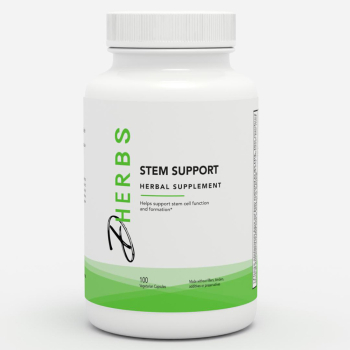
Fluid Formula is a 13-herb supplement designed to support healthy fluid balance, natural hydration, and the body's normal process of eliminating excess fluid waste.* Featuring uva ursi, dandelion root, corn silk, celery seed, parsley, burdock root, and other complementary botanicals, this formula provides targeted herbal support for the kidneys and the body's natural fluid-regulating processes.*
Supporting healthy fluid balance
Water is essential to virtually every system in the body. It helps transport nutrients, regulate temperature, support digestion, maintain blood volume, cushion tissues, and facilitate countless cellular processes. Maintaining the right balance involves both taking in enough fluid and efficiently regulating what the body retains and eliminates.
Helping the body manage fluids naturally
Fluid Formula combines 13 botanicals traditionally associated with urinary function, fluid movement, circulation, digestion, and natural cleansing.* Rather than simply focusing on increasing urination, our formula is designed around supporting the body's broader fluid-regulating processes while helping maintain healthy hydration.*
Understanding water retention
Water retention occurs when fluid accumulates within body tissues. Temporary changes in fluid levels can happen for many reasons, including sodium intake, prolonged sitting or standing, hormonal fluctuations, physical activity, heat, and dietary habits.
Occasional retention vs. persistent swelling
Minor fluctuations in water weight and occasional puffiness are different from persistent or unexplained swelling.
Fluid Formula supports normal fluid balance and may help relieve minor bloating associated with retained fluid.* Persistent swelling, sudden swelling, shortness of breath, chest pain, or swelling associated with a medical condition requires appropriate medical evaluation rather than simply trying to eliminate more water.
The kidneys and fluid balance
The kidneys continuously filter blood and adjust the amount of water and electrolytes that leave the body through urine.
Natural filtration and elimination
Healthy kidneys respond to signals involving blood pressure, hydration, hormones, sodium, potassium, and other factors. Fluid Formula includes several botanicals traditionally associated with urinary flow and kidney wellness to complement these natural processes.*
Hydration vs. fluid retention
Being hydrated and retaining excess fluid may sound like the same thing, but they are not.
Your body needs water in the right places
Hydration refers to having adequate water available for normal physiological functions. Fluid retention refers to excessive accumulation of fluid within certain tissues or spaces.
This is why supporting fluid balance does not mean trying to remove as much water from the body as possible. The goal is balance.
Fluid balance and electrolytes
Water does not move through the body independently. Electrolytes help regulate how fluid is distributed inside and outside cells.
Sodium and potassium matter
Sodium, potassium, chloride, magnesium, and other electrolytes participate in maintaining fluid balance. Sodium in particular attracts water, which is one reason high sodium intake can contribute to temporary water retention in some people.
Fluid Formula complements healthy dietary habits but does not replace the need for appropriate hydration and electrolyte balance.
Fluid retention and sodium
A salty meal can sometimes leave you feeling noticeably puffier the following day.
Why sodium can influence water weight
The body carefully regulates blood sodium concentration. When sodium intake increases, the body may temporarily retain additional water as part of maintaining that concentration.
Reducing heavily salted and highly processed foods while eating potassium-rich whole foods can complement a fluid-conscious wellness routine.
Fluid balance and occasional bloating
Not every bloated feeling comes from the digestive tract.
Water bloating vs. digestive bloating
Fluid-related bloating involves retained water, while digestive bloating is more commonly associated with intestinal gas, food volume, constipation, or digestive processes.
Fluid Formula may help relieve minor bloating related to fluid balance.* It isn't a digestive enzyme or conventional gas-relief product.
Uva ursi and urinary wellness
Uva ursi has a long history of traditional use in herbal preparations for urinary wellness.
Traditional urinary support
The leaf naturally contains arbutin, tannins, flavonoids, and other botanical compounds. We include uva ursi as part of the formula's targeted approach to supporting normal urinary function and water balance.*
Dandelion root and fluid balance
Dandelion is often thought of as an unwanted lawn plant, but its roots and leaves have a long history in traditional herbalism.
Gentle botanical support for elimination
Dandelion root contains inulin, phenolic acids, sesquiterpene lactones, and other plant compounds. It has traditionally been incorporated into herbal routines supporting digestion, cleansing, liver wellness, and normal fluid elimination.*
Corn silk and urinary flow
Corn silk consists of the long, thread-like fibers found beneath the husk of corn.
A traditional urinary herb
Corn silk has traditionally been prepared as a tea or herbal supplement for urinary wellness. It contains flavonoids, polysaccharides, plant sterols, and other naturally occurring compounds.
Within Fluid Formula, corn silk complements uva ursi, parsley, dandelion, and other herbs associated with normal urinary flow.*
Parsley leaf and fluid regulation
Parsley is familiar as a culinary herb, but it also has a long history in traditional herbal wellness.
More than a garnish
Parsley naturally provides flavonoids such as apigenin along with chlorophyll, carotenoids, vitamin-related compounds, and minerals. It has traditionally been used to support urinary flow and healthy fluid levels.*
Celery seed and water balance
Celery seed has been used in traditional herbal preparations for digestion, circulation, and urinary wellness.
Supporting normal fluid movement
Celery seed naturally contains phthalides, flavonoids, volatile oils, and other phytochemicals. We include it to complement the formula's broader focus on normal fluid regulation and elimination.*
Fennel seed and digestive comfort
Fennel is primarily recognized for its aromatic seeds and digestive applications.
Supporting comfort while balancing fluids
Fennel contains aromatic compounds such as anethole and fenchone alongside flavonoids and other phytochemicals. Its traditional digestive applications complement the urinary-focused botanicals in Fluid Formula.*
Anise seed and digestion
Anise seed has a distinctive licorice-like aroma and a long history in traditional digestive preparations.
Aromatic botanical support
Anise naturally contains anethole and other volatile compounds. We include it to provide digestive support within a formula primarily centered on healthy fluid balance and elimination.*
Bilberry leaf and botanical wellness
Bilberry is commonly associated with its dark berries, but the leaf has also been used traditionally.
A different part of the plant
Bilberry leaf naturally contains flavonoids, tannins, phenolic acids, and other plant compounds. Its inclusion adds botanical diversity to Fluid Formula's combination of urinary and cleansing herbs.
Black cohosh and hormonal wellness
Hormonal changes can influence fluid levels, particularly in women.
Hormones and fluid balance
Black cohosh has a long history of traditional use in women's wellness. We include the root as part of our broader botanical approach to factors that may influence normal fluid regulation.*
Mullein leaf and respiratory wellness
Mullein is traditionally associated with the respiratory system.
Supporting normal respiratory tissues
The lungs also participate in water loss through respiration. Mullein contains mucilage, flavonoids, saponins, and other botanical constituents and has traditionally been used to support respiratory comfort.*
Its role complements the formula's broader approach rather than functioning as a conventional diuretic herb.
Rosemary and healthy circulation
Rosemary is an aromatic Mediterranean herb used in both cooking and traditional wellness.
Supporting normal fluid movement
Healthy circulation helps transport water, nutrients, electrolytes, and metabolic products throughout the body. Rosemary contains rosmarinic acid, carnosic acid, aromatic oils, and other antioxidant compounds and has traditionally been associated with circulation and digestive wellness.*
Queen of the meadow and urinary support
Queen of the meadow is traditionally used in botanical preparations associated with urinary wellness.
Traditional fluid support
We include queen of the meadow root as another complementary botanical in our approach to healthy urinary flow and normal fluid elimination.*
Burdock root and natural cleansing
Burdock is a traditional root herb often included in cleansing formulas.
Supporting normal elimination pathways
Burdock root contains inulin, phenolic acids, lignans, and other naturally occurring plant compounds. Rather than directly "pulling toxins" from the body, burdock provides botanical support for the body's existing cleansing and elimination processes.*
Fluid balance and circulation
The circulatory system constantly moves fluid throughout the body.
Movement matters
Regular physical movement helps support circulation. Sitting or standing in one position for long periods can contribute to temporary fluid pooling, particularly in the lower extremities.
Walking, stretching, and changing positions periodically can complement a healthy fluid-balance routine.
Fluid balance and everyday diet
Supplements work within the context of everything else you consume.
Food can influence how much water you hold
Highly processed foods can contribute substantial sodium, while fruits, vegetables, legumes, leafy greens, and other whole foods provide potassium and other nutrients involved in fluid regulation.
Maintaining adequate hydration is equally important. Deliberately restricting water simply because you feel puffy isn't necessarily helpful.
Fluid Formula vs. water pills
"Water pill" is a broad term that can refer to prescription diuretic medications or nonprescription products designed to increase urination.
Herbal fluid support vs. medication
Fluid Formula is a 13-herb dietary supplement designed to support normal fluid balance and natural elimination.* Prescription diuretics have specific medical uses and can substantially alter fluid and electrolyte balance. Fluid Formula should never be substituted for a prescribed diuretic without direction from the healthcare professional managing that medication.
Fluid Formula vs. prescription diuretics
Prescription diuretics include several different classes of medications with specific mechanisms of action.
Wellness support vs. medical treatment
Fluid Formula uses botanicals traditionally associated with fluid and urinary wellness.* Prescription diuretics are medicines used to treat specific medical conditions such as hypertension, heart failure, and certain causes of edema.
If you've been prescribed a diuretic, we do not recommend discontinuing or replacing it with Fluid Formula unless your healthcare professional specifically advises you to do so.
Fluid Formula vs. dandelion supplements
Dandelion root is already one of the 13 herbs in Fluid Formula.
One botanical vs. a comprehensive blend
A standalone dandelion supplement focuses specifically on one plant. Fluid Formula combines dandelion with uva ursi, corn silk, parsley, celery seed, fennel, rosemary, burdock, and other complementary herbs.
Choose a standalone dandelion product when you specifically want that botanical. Fluid Formula is designed for broader herbal fluid-balance support.*
Fluid Formula vs. electrolyte supplements
Both relate to hydration, but they have very different purposes.
Fluid regulation vs. electrolyte replacement
Electrolyte supplements provide minerals such as sodium, potassium, magnesium, or chloride, depending on the formula. They're often used to replace electrolytes lost through sweating or other forms of fluid loss.
Fluid Formula provides herbs intended to support healthy fluid regulation and elimination.* It is not an electrolyte replacement product.
Fluid Formula vs. detox supplements
Fluid elimination is one component of the body's normal waste-management processes, but "fluid balance" and "detox" aren't interchangeable terms.
Targeted fluid support vs. broader cleansing
Fluid Formula focuses primarily on healthy water balance, urinary flow, natural hydration, and fluid elimination.*
A broader detoxification formula may place greater emphasis on the liver, gastrointestinal tract, bowel movements, or multiple elimination pathways.
Fluid Formula vs. Kidneys, Bladder & Adrenals Tea
Our Kidneys, Bladder & Adrenals Tea is a closely related Dherbs product, but its primary focus is different. The tea is designed to support the kidneys, bladder, urinary tract, and adrenal glands, while Fluid Formula places greater emphasis on maintaining healthy body fluids and assisting normal fluid elimination.*
Fluid balance vs. broader urinary system support
Choose Fluid Formula when your primary wellness goal is supporting normal fluid balance, occasional minor water-related bloating, and natural fluid elimination.*
Consider Kidneys, Bladder & Adrenals Tea when you're looking for broader herbal support specifically centered on the kidneys, bladder, urinary tract, and adrenal glands.* The tea is also caffeine-free.
The two products can complement similar wellness goals, but they aren't identical formulas.
Fluid Formula vs. Kidneys, Bladder & Adrenals
Our Kidneys, Bladder & Adrenals capsule formula is another relevant comparison for customers deciding between targeted fluid support and broader urinary-system support.
Choosing according to your primary goal
Fluid Formula is more specifically centered on healthy fluid levels and normal fluid elimination. Kidneys, Bladder & Adrenals is designed more broadly around kidney, bladder, urinary tract, and adrenal wellness.
If excess everyday fluid retention is your primary wellness concern, Fluid Formula offers the more targeted approach. If you're looking for broader urinary-system support, Kidneys, Bladder & Adrenals may be the better fit.
Fluid retention vs. body fat
A change in water weight isn't the same thing as gaining or losing body fat.
Temporary water weight can change quickly
Body fat changes when energy stored in adipose tissue changes over time. Water weight can fluctuate much more rapidly because of sodium intake, carbohydrate intake, hormones, exercise, heat, hydration, and other factors.
Fluid Formula is not a fat burner or weight-loss medication. Any change on the scale caused by releasing retained water should not be confused with fat loss.
Fluid retention vs. digestive bloating
These sensations can feel similar even though their underlying causes are different.
Water in tissues vs. gas in the digestive tract
Fluid retention may create puffiness or a feeling of fullness as water accumulates in tissues. Digestive bloating often involves gas, intestinal contents, constipation, or digestive processes.
Identifying the likely cause helps determine which wellness approach makes the most sense.
What's in Fluid Formula?
Fluid Formula contains 13 herbs: uva ursi leaf, dandelion root, corn silk, bilberry leaf, anise seed, celery seed, fennel seed, black cohosh root, mullein leaf, rosemary herb, queen of the meadow root, parsley leaf, and burdock root. The vitamins, minerals, and botanical compounds listed below are typically associated with these plants.
Uva ursi leaf
Uva ursi is traditionally associated with urinary wellness.
Typical vitamins and minerals: naturally occurring calcium, magnesium, manganese, iron, and other trace minerals may be present.
Notable plant compounds: arbutin, hydroquinone-related glycosides, tannins, flavonoids, and phenolic compounds.
Dandelion root
Dandelion root provides a broad range of naturally occurring plant compounds.
Typical vitamins: small amounts of vitamin-related carotenoids and B-vitamin compounds may naturally occur.
Typical minerals: potassium, calcium, magnesium, iron, manganese, and phosphorus.
Notable plant compounds: inulin, phenolic acids, sesquiterpene lactones, flavonoids, and plant sterols.
Corn silk
Corn silk has a long history in traditional urinary preparations.
Typical vitamins: vitamin C-related compounds and vitamin K may naturally occur.
Typical minerals: potassium, calcium, magnesium, and other trace minerals.
Notable plant compounds: flavonoids, polysaccharides, phytosterols, saponins, and phenolic compounds.
Bilberry leaf
Bilberry leaf differs nutritionally from the better-known bilberry fruit.
Notable plant compounds: tannins, flavonoids, phenolic acids, and other polyphenols.
Anise seed
Anise is an aromatic seed traditionally used for digestive wellness.
Typical vitamins: several B-vitamin compounds may naturally occur in small quantities.
Typical minerals: iron, calcium, magnesium, manganese, copper, potassium, and phosphorus.
Notable plant compounds: anethole, estragole, flavonoids, and other aromatic compounds.
Celery seed
Celery seed contains concentrated aromatic botanical compounds.
Typical minerals: calcium, iron, magnesium, manganese, phosphorus, potassium, and zinc.
Notable plant compounds: phthalides, flavonoids such as apigenin, volatile oils, and phenolic compounds.
Fennel seed
Fennel seed provides aromatic compounds alongside naturally occurring nutrients.
Typical vitamins: vitamin C-related compounds and several B-vitamin compounds may occur naturally.
Typical minerals: calcium, iron, magnesium, manganese, potassium, phosphorus, and zinc.
Notable plant compounds: anethole, fenchone, estragole, flavonoids, and phenolic compounds.
Black cohosh root
Black cohosh is primarily valued for specialized botanical compounds rather than conventional vitamin content.
Typical minerals: naturally occurring calcium, magnesium, potassium, iron, and other trace minerals may be present.
Notable plant compounds: triterpene glycosides, phenolic compounds, and other root phytochemicals.
Mullein leaf
Mullein has traditionally been used for its soothing qualities.
Typical minerals: calcium, magnesium, potassium, and other trace minerals may naturally occur.
Notable plant compounds: mucilage, saponins, flavonoids, iridoids, and phenolic compounds.
Rosemary herb
Rosemary provides a particularly rich range of aromatic and antioxidant plant compounds.
Typical vitamins: vitamin-related carotenoids and small amounts of vitamin C and B-vitamin compounds may occur naturally.
Typical minerals: calcium, iron, magnesium, manganese, potassium, and copper.
Notable plant compounds: rosmarinic acid, carnosic acid, carnosol, camphor, cineole, and other aromatic compounds.
Queen of the meadow root
Queen of the meadow has traditionally been incorporated into herbal preparations for urinary wellness.
Notable plant compounds: tannins, flavonoids, phenolic compounds, and other naturally occurring phytochemicals.
Parsley leaf
Parsley is a nutrient-rich culinary and traditional wellness herb.
Typical vitamins: vitamin K, vitamin C, folate, and carotenoids that contribute provitamin A activity.
Typical minerals: potassium, calcium, iron, magnesium, and manganese.
Notable plant compounds: apigenin, luteolin, chlorophyll, carotenoids, and aromatic oils.
Burdock root
Burdock root has traditionally been used in cleansing and digestive preparations.
Typical vitamins: vitamin B6 and other B-vitamin compounds may naturally occur in small quantities.
Typical minerals: potassium, magnesium, manganese, phosphorus, calcium, and iron.
Notable plant compounds: inulin, lignans, phenolic acids, polyacetylenes, and other plant compounds.
100 vegetarian capsules per bottle