Sex Organs Cleanser is our 22-botanical reproductive wellness formula for men and women. We combine traditional herbs including kapikacchu, buchu, shatavari, tribulus, cranberry, sarsaparilla, Panax ginseng, burdock, echinacea, and olive leaf to support the reproductive organs and glands, urinary wellness, immune function, and the body's natural cleansing processes.*
Supporting reproductive wellness naturally
The reproductive system involves far more than sexual performance. In men and women, reproductive wellness depends on a complex relationship among organs, glands, hormones, circulation, nutrition, immune function, and overall health.
A whole-system herbal approach
We formulated Sex Organs Cleanser with 22 botanicals selected to provide broad herbal support for the reproductive system rather than concentrating on one organ or one aspect of sexual wellness.* The formula combines traditional reproductive herbs with botanicals associated with urinary health, immune function, circulation, and natural elimination.
Reproductive health vs. sexual performance
Reproductive health and sexual performance are related, but they are not the same thing.
Wellness goes beyond libido
Sexual performance products generally focus on areas such as libido, arousal, stamina, or sexual response. Reproductive wellness has a broader scope that can include the reproductive organs, glands, hormonal environment, urinary system, circulation, and overall physiological health.
Sex Organs Cleanser is primarily a reproductive wellness and cleansing formula, not a conventional sexual enhancement product.*
Reproductive wellness for men and women
Men and women have different reproductive anatomy, but many of the body's supporting systems are shared.
One formula with broad botanical support
Our formula includes herbs with different traditional applications so that men and women can incorporate it into a reproductive wellness routine.* Shatavari has a particularly long history in women's Ayurvedic herbalism, while kapikacchu, tribulus, sarsaparilla, and ginseng have histories of use in male vitality and reproductive preparations.
Other ingredients, including cranberry, buchu, parsley, and celery seed, broaden the formula's focus to urinary wellness.*
The reproductive and urinary systems
The reproductive and urinary systems perform different functions, but their anatomy is closely associated, particularly in the pelvic region.
Supporting neighboring systems
We include cranberry fruit, buchu leaf, parsley leaf, and celery seed—botanicals traditionally associated with urinary wellness—alongside the formula's reproductive herbs.*
Supporting urinary wellness gives Sex Organs Cleanser a broader focus than formulas designed exclusively around libido or reproductive hormones.
Circulation and reproductive wellness
Healthy circulation supplies tissues throughout the body with oxygen and nutrients.
Blood flow supports healthy tissues
Reproductive organs, like every other organ system, depend on an adequate blood supply. Sex Organs Cleanser contains several botanicals traditionally associated with vitality and circulation, including Panax ginseng, garlic, tribulus, and sarsaparilla.*
Immune function and reproductive wellness
The immune system continuously interacts with tissues throughout the body.
Supporting the body's natural defenses
Our formula includes echinacea, olive leaf, garlic, goldenseal, and other botanicals with histories of traditional use in immune-supporting herbal preparations.*
This complements the reproductive and urinary herbs by providing broader support for the body's natural defenses.
Kapikacchu and reproductive vitality
Kapikacchu, also known as Mucuna pruriens, has a long history in Ayurveda.
A traditional vitality herb
Kapikacchu seeds naturally contain amino acids, polyphenols, and other phytochemicals, including naturally occurring L-DOPA. The plant has traditionally been incorporated into preparations associated with male reproductive vitality and overall vigor.
We use kapikacchu as one component of the formula's broader reproductive wellness approach.*
Shatavari and female reproductive wellness
Shatavari has been valued for centuries in Ayurvedic traditions, particularly in formulations for women.
Traditional support throughout a woman's life
Shatavari root contains steroidal saponins known as shatavarins along with flavonoids and other phytochemicals. Its traditional uses center heavily on female reproductive vitality and general wellness.*
Within Sex Organs Cleanser, shatavari provides a female-focused botanical counterpart to several of the formula's traditional male vitality herbs.
Tribulus and reproductive wellness
Tribulus has become widely recognized in modern sports and men's supplements, but its traditional history is much older.
Traditional vitality support
Tribulus root contains steroidal saponins, flavonoids, alkaloids, and other plant constituents. It has historically been incorporated into herbal preparations for reproductive and urinary wellness.*
Tribulus is not testosterone itself, and the presence of tribulus does not make Sex Organs Cleanser a testosterone replacement product.
Panax ginseng and vitality
Panax ginseng is one of the world's most recognizable traditional herbs.
Adaptogenic support
Its roots contain characteristic compounds known as ginsenosides. Panax ginseng has traditionally been used for energy, resilience, vitality, and sexual wellness.*
In our formula, ginseng complements rather than defines the reproductive-support profile.
Eleuthero and physical resilience
Eleuthero is sometimes called Siberian ginseng, although it is botanically different from true Panax ginseng.
Supporting adaptation to everyday stress
Eleuthero contains eleutherosides and other specialized plant compounds and has traditionally been classified as an adaptogenic herb.
Because physical and psychological stress can influence overall vitality, eleuthero gives the formula an additional dimension beyond direct reproductive-organ support.
Sarsaparilla and traditional vitality
Sarsaparilla root has a long history in traditional herbal preparations.
Reproductive and whole-body support
Sarsaparilla naturally contains steroidal saponins, plant sterols, flavonoids, and other phytochemicals. Traditional herbalists have incorporated the root into formulas associated with vitality, cleansing, skin health, and reproductive wellness.*
Buchu and urinary wellness
Buchu is a South African botanical traditionally associated with the urinary system.
Complementing reproductive support
Buchu leaves contain volatile oils and flavonoids and have historically been used in herbal preparations intended to support normal urinary function.*
Its inclusion helps connect the formula's reproductive focus with the closely related urinary system.
Cranberry and urinary wellness
Cranberry is one of the most familiar botanicals associated with urinary health.
Naturally occurring proanthocyanidins
Cranberries contain proanthocyanidins, anthocyanins, organic acids, flavonols, and other polyphenols.
We include cranberry as a nutritional and botanical component of the formula's urinary wellness support.*
Parsley and celery seed
These familiar culinary plants have histories that extend well beyond the kitchen.
Traditional urinary botanicals
Parsley leaf provides chlorophyll, flavonoids, carotenoids, and naturally occurring micronutrients. Celery seed contains phthalides, flavonoids, and aromatic oils.
Both have traditionally been incorporated into formulas centered on urinary flow and fluid balance.*
Goldenseal and mucous membrane support
Goldenseal is a traditional North American botanical.
A distinctive alkaloid profile
Goldenseal root naturally contains isoquinoline alkaloids, including berberine and hydrastine.
We include it as part of the formula's broader approach to internal wellness and traditional mucous membrane support.*
Slippery elm and soothing botanical support
Slippery elm bark is distinctive because of its naturally high mucilage content.
Traditional soothing properties
When mixed with moisture, slippery elm's mucilage develops a characteristic slippery consistency. This has contributed to its long-standing use in traditional herbal preparations designed to soothe mucous membranes.*
Garlic and whole-body wellness
Garlic has been used both as food and as a traditional wellness botanical for thousands of years.
Sulfur-containing compounds
Fresh garlic produces compounds derived from alliin, including allicin, when the cloves are crushed or chopped.
Garlic's traditional applications span cardiovascular, immune, circulatory, and general wellness, making it a complementary component of this multi-system formula.*
Burdock root and natural cleansing
Burdock root has traditionally been incorporated into cleansing formulas.
Supporting normal elimination
Burdock naturally contains inulin, lignans, phenolic acids, and other plant compounds. Its role is to complement the body's normal cleansing and elimination pathways rather than literally scrubbing or washing reproductive organs.*
Echinacea and immune wellness
Echinacea angustifolia root contributes immune-focused botanical support.
Supporting natural defenses
Echinacea naturally contains alkylamides, polysaccharides, caffeic acid derivatives, and other phytochemicals and has a long history in traditional immune wellness.*
Olive leaf and antioxidant compounds
Olive leaf offers a phytochemical profile very different from olive fruit or olive oil.
Oleuropein and polyphenols
Olive leaf naturally contains oleuropein and numerous other phenolic compounds. We include it to complement the formula's emphasis on immune and internal wellness.*
Myrrh and traditional herbal cleansing
Myrrh is an aromatic resin obtained from Commiphora trees.
An ancient botanical
Myrrh has been valued in traditional wellness systems for centuries. Its resin contains terpenoids and other aromatic plant compounds and has historically appeared in herbal preparations focused on oral, digestive, and general internal wellness.
White oak bark and tannins
White oak bark is naturally rich in tannins.
Traditional astringent properties
Tannins are plant compounds known for their characteristic astringency. White oak bark has historically been incorporated into traditional preparations where these astringent botanical properties were desired.
Black walnut hull and botanical cleansing
Black walnut hull is commonly found in traditional cleansing formulas.
Naturally occurring plant compounds
The hull contains tannins, phenolic compounds, and other phytochemicals. In Sex Organs Cleanser, it contributes to the formula's broader traditional cleansing profile.*
Cloves and aromatic plant compounds
Clove buds are especially concentrated in aromatic oils.
Naturally occurring eugenol
Eugenol is one of the best-known compounds in cloves. The spice also provides flavonoids and other polyphenols.
Its traditional use spans digestive, oral, and general botanical wellness.
Curry leaf and nutritional support
Curry leaf has a long culinary and traditional history in South Asia.
Nutrients and phytochemicals
Curry leaves naturally contain carbazole alkaloids, flavonoids, carotenoids, and other plant compounds. Their inclusion adds additional botanical diversity to the formula.
Mullein and mucous membrane wellness
Mullein leaf is most commonly associated with respiratory herbalism.
Soothing plant compounds
Mullein contains mucilage, flavonoids, saponins, and iridoids. Its traditional soothing properties complement the formula's broader approach to healthy internal tissues.*
Sex Organs Cleanser vs. libido supplements
These products can easily be confused because both may appear within the sexual wellness category.
Reproductive cleansing vs. sexual desire
Libido supplements primarily target sexual desire, arousal, stamina, or performance.
Sex Organs Cleanser focuses more broadly on reproductive organs and glands, urinary wellness, immune support, and natural cleansing.*
Someone looking exclusively for an immediate sexual-performance product is therefore looking for a different type of formula.
Sex Organs Cleanser vs. Jackrabbit
Our Jackrabbit formula is specifically positioned around male sexual vitality, whereas Sex Organs Cleanser has a broader reproductive-health purpose and can be used by men and women. Dherbs currently includes both formulas within its Male Cleanse regimen.
Cleansing support vs. male sexual vitality
Choose Sex Organs Cleanser when your primary goal is supporting reproductive-system wellness and natural cleansing.*
Jackrabbit is more specifically aligned with male sexual organs, reproductive vitality, and libido support.*
Sex Organs Cleanser vs. Prostate Formula
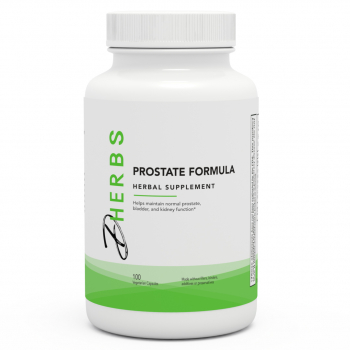
Our Prostate Formula is designed specifically around prostate wellness, while Sex Organs Cleanser provides broader reproductive support for both sexes. Dherbs describes Prostate Formula as providing nutritional support for the prostate gland, while Sex Organs Cleanser targets the reproductive system more generally.*
One gland vs. the broader reproductive system
Men primarily interested in prostate-specific nutritional support may prefer Prostate Formula.
Sex Organs Cleanser makes more sense when the goal is broader support involving the reproductive system, urinary wellness, immune health, and natural cleansing.*
Sex Organs Cleanser vs. Male Hormonal Formula
Our Male Hormonal Formula is another male-specific option. Dherbs distinguishes Male Hormonal Formula as male reproductive nutrition, while Sex Organs Cleanser is designed around cleansing and supporting reproductive organs and glands in both men and women.*
Male reproductive nutrition vs. reproductive cleansing
Male Hormonal Formula is the more targeted choice when the primary goal is male hormonal and reproductive nutrition.*
Sex Organs Cleanser has the broader cleansing and reproductive-wellness focus and isn't limited to men.*
Sex Organs Cleanser vs. Uterus Formula
Our Uterus Formula is specifically centered on female reproductive wellness and the uterus, while Sex Organs Cleanser is formulated for both men and women.
Uterine support vs. broader reproductive support
Women primarily seeking targeted uterine support may prefer Uterus Formula.*
Sex Organs Cleanser offers a broader approach that combines female and male reproductive herbs with urinary, immune, and cleansing botanicals.*
Sex Organs Cleanser vs. Flora Balance
Our Flora Balance focuses more specifically on internal ecology and feminine balance, while Sex Organs Cleanser addresses broader reproductive-system wellness for both men and women.
Internal flora vs. reproductive wellness
Flora Balance is the more targeted product for women interested in supporting healthy internal ecology.*
Sex Organs Cleanser focuses on the reproductive organs and glands while also incorporating urinary, immune, circulatory, and cleansing support.*
Sex Organs Cleanser vs. Full Body Cleanse
Our Full Body Cleanse is a comprehensive multi-product cleansing regimen, whereas Sex Organs Cleanser is a single targeted herbal formula.
Whole-body cleansing vs. reproductive-system support
The Full Body Cleanse addresses multiple organs and elimination pathways through a structured regimen. Sex Organs Cleanser provides more focused botanical support for reproductive wellness.*
Choose according to whether your goal is a structured whole-body cleanse or ongoing targeted reproductive support.
Reproductive cleansing vs. fertility
These concepts should not be treated as interchangeable.
Supporting reproductive wellness does not guarantee conception
Fertility involves numerous factors, including reproductive anatomy, age, ovulation, sperm health, hormones, genetics, underlying health conditions, and timing.
Sex Organs Cleanser provides general herbal support for reproductive wellness.* It is not a fertility treatment and does not guarantee improved fertility or pregnancy.
Reproductive wellness vs. hormone therapy
Hormones play important roles in reproductive health, but an herbal supplement isn't the same thing as hormone therapy.
Botanical support without replacement hormones
Sex Organs Cleanser contains herbs rather than testosterone, estrogen, progesterone, or other pharmaceutical hormones.
It is not testosterone replacement therapy, estrogen therapy, or a replacement for medically prescribed hormonal treatment.
Reproductive cleansing vs. treating infections
Sex Organs Cleanser supports normal reproductive and urinary wellness,* but cleansing support should not be confused with treating an infection.
Different conditions require different care
Bacterial vaginosis, yeast infections, urinary tract infections, sexually transmitted infections, prostatitis, and other diagnosed conditions can require specific medical treatment.
Sex Organs Cleanser is not an antibiotic, antifungal, antiviral medication, or treatment for sexually transmitted infections.
What's in Sex Organs Cleanser?
Sex Organs Cleanser contains 22 botanicals: kapikacchu seed, buchu leaf, goldenseal root, curry leaf, eleuthero root, white oak bark, black walnut hulls, shatavari root, garlic bulb, slippery elm bark, myrrh resin, mullein leaf, burdock root, sarsaparilla root, cloves buds, Echinacea angustifolia root, olive leaf, tribulus root, cranberry fruit, parsley leaf, celery seed, and Panax ginseng root. The vitamins, minerals, and botanical compounds below are naturally associated with these plants.
Kapikacchu seed
Typical nutrients: protein, amino acids, magnesium, potassium, calcium, iron, and other naturally occurring micronutrients.
Notable plant compounds: naturally occurring L-DOPA, phenolic compounds, flavonoids, and tannins.
Buchu leaf
Typical minerals: potassium, calcium, magnesium, and trace minerals may naturally occur.
Notable plant compounds: diosphenol, pulegone, flavonoids, and volatile oils.
Goldenseal root
Notable plant compounds: berberine, hydrastine, canadine, and related isoquinoline alkaloids.
Curry leaf
Typical vitamins: carotenoids with provitamin A activity and naturally occurring vitamin-related compounds.
Typical minerals: calcium, iron, phosphorus, magnesium, and potassium.
Notable plant compounds: carbazole alkaloids, flavonoids, and other polyphenols.
Eleuthero root
Typical minerals: calcium, potassium, magnesium, iron, and other trace elements may naturally occur.
Notable plant compounds: eleutherosides, lignans, coumarins, polysaccharides, and phenolic compounds.
White oak bark
Typical minerals: calcium and naturally occurring trace minerals.
Notable plant compounds: tannins and other polyphenolic compounds.
Black walnut hulls
Typical minerals: manganese, copper, magnesium, and other naturally occurring minerals may be present.
Notable plant compounds: tannins, phenolic acids, flavonoids, and juglone-related compounds.
Shatavari root
Typical minerals: calcium, magnesium, potassium, iron, and trace minerals may naturally occur.
Notable plant compounds: shatavarins, steroidal saponins, flavonoids, and polysaccharides.
Garlic bulb
Typical vitamins: vitamin B6, vitamin C, and other naturally occurring B-vitamin compounds.
Typical minerals: manganese, selenium, calcium, phosphorus, potassium, and copper.
Notable plant compounds: alliin and related organosulfur compounds.
Slippery elm bark
Typical minerals: calcium, magnesium, potassium, phosphorus, and trace minerals.
Notable plant compounds: mucilage, tannins, phytosterols, and other polysaccharides.
Myrrh resin
Myrrh is primarily valued for its phytochemicals rather than its vitamin content.
Notable plant compounds: sesquiterpenes, terpenoids, resin acids, and volatile oils.
Mullein leaf
Typical minerals: calcium, magnesium, potassium, and trace minerals.
Notable plant compounds: mucilage, flavonoids, saponins, iridoids, and phenolic compounds.
Burdock root
Typical vitamins: vitamin B6 and other B-vitamin compounds may naturally occur.
Typical minerals: potassium, magnesium, manganese, phosphorus, calcium, and iron.
Notable plant compounds: inulin, lignans, phenolic acids, and polyacetylenes.
Sarsaparilla root
Typical minerals: iron, manganese, magnesium, calcium, potassium, and trace minerals may occur naturally.
Notable plant compounds: steroidal saponins, plant sterols, flavonoids, and phenolic compounds.
Clove buds
Typical vitamins: vitamin K and small amounts of other naturally occurring vitamin compounds.
Typical minerals: manganese, calcium, magnesium, potassium, and iron.
Notable plant compounds: eugenol, flavonoids, tannins, and other polyphenols.
Echinacea angustifolia root
Notable plant compounds: alkylamides, polysaccharides, caffeic acid derivatives, and other phenolics.
Olive leaf
Olive leaf is valued primarily for its extensive polyphenol content.
Typical minerals: calcium, potassium, magnesium, iron, and other trace minerals may naturally occur.
Notable plant compounds: oleuropein, hydroxytyrosol-related compounds, luteolin, apigenin, and other polyphenols.
Tribulus root
Typical minerals: calcium, potassium, magnesium, iron, and other trace minerals may naturally occur.
Notable plant compounds: steroidal saponins, flavonoids, alkaloids, and phenolic compounds.
Cranberry fruit
Typical vitamins: vitamin C and other naturally occurring antioxidant nutrients.
Typical minerals: manganese, potassium, copper, and trace minerals.
Notable plant compounds: A-type proanthocyanidins, anthocyanins, flavonols, and organic acids.
Parsley leaf
Typical vitamins: vitamin K, vitamin C, folate, and carotenoids with provitamin A activity.
Typical minerals: potassium, calcium, iron, magnesium, and manganese.
Notable plant compounds: apigenin, luteolin, chlorophyll, and other flavonoids.
Celery seed
Typical minerals: calcium, magnesium, manganese, iron, phosphorus, potassium, and zinc.
Notable plant compounds: phthalides, apigenin, volatile oils, and other phenolic compounds.
Panax ginseng root
Typical vitamins and minerals: naturally occurring B-vitamin compounds and trace minerals may occur in the root.
Notable plant compounds: ginsenosides, polysaccharides, polyacetylenes, peptides, and phenolic compounds.
Take Sex Organs Cleanser consistently
Consistency gives the herbal formula time to become part of your regular wellness routine. While individual experiences may vary, we recommend using the formula consistently for approximately 30 to 45 days when assessing how it fits your wellness routine.
100 vegetarian capsules per bottle