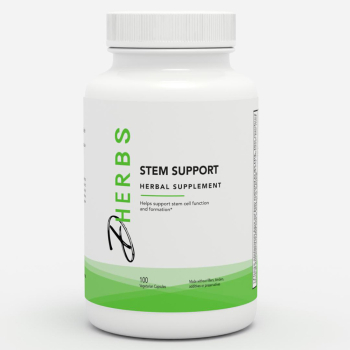
Plant-based support for an essential vitamin
Vitamin D plays an important role throughout the body, but it is particularly well known for helping the body absorb calcium and maintain healthy bones. Vitamin D provides a vegetarian approach to daily vitamin D support using a concise blend of Shiitake Mushroom, Dandelion Leaf, and Kale Leaf.*
These three ingredients provide more than a single nutrient. Shiitake contributes vitamin D-related compounds along with B vitamins, minerals, beta-glucans, and other mushroom constituents. Dandelion and Kale add carotenoids, vitamin K, vitamin C, minerals, and antioxidant plant compounds. Together, they create a plant-focused nutritional formula designed for everyday wellness.*
Vitamin D and bone health
Supporting calcium where it matters
Calcium receives much of the attention when discussing bone health, but adequate vitamin D is also essential. Vitamin D helps the body absorb calcium from the digestive tract and contributes to maintaining normal blood concentrations of calcium and phosphorus.*
Vitamin D is formulated to support these normal processes while helping maintain strong bones.* This makes vitamin D an important part of a broader bone-health routine that also includes adequate calcium, magnesium, protein, weight-bearing exercise, and other essential nutrients.
Rather than viewing vitamin D and calcium as competitors, it is more useful to think of them as complementary nutrients with different roles.
Immune system support
Vitamin D does more than support bones
Vitamin D receptors are found in numerous tissues throughout the body, reflecting the vitamin's broader biological importance.
Vitamin D helps support normal immune function in addition to its better-known role in bone health.* Adequate nutritional status helps immune cells perform their normal functions and contributes to overall wellness.
The formula complements vitamin D support with nutrient-dense Dandelion and Kale plus the naturally occurring polysaccharides and other compounds found in Shiitake Mushroom.*
Muscle and neuromuscular function
Supporting everyday movement
Normal muscle function depends on communication between nerves and muscles as well as an adequate supply of essential nutrients.
Vitamin D supports normal neuromuscular function and contributes to maintaining normal muscle function.* These roles become especially relevant when vitamin D intake or sun exposure is limited.
Regular physical activity, adequate protein, minerals such as magnesium and calcium, and balanced nutrition should remain part of a complete approach to muscle and skeletal wellness.
Vitamin D supplement vs. sunlight
Dietary support when sun exposure varies
Vitamin D is often called the sunshine vitamin because human skin can produce vitamin D when exposed to ultraviolet B radiation from sunlight.
Sun exposure, however, varies considerably according to season, latitude, time spent outdoors, clothing, skin pigmentation, age, weather, and other factors. That means sunlight is not always a consistent source.
Vitamin D provides a convenient dietary option for people who want to incorporate vitamin D support into their regular wellness routine.* It does not replace sensible outdoor activity, but it offers a consistent supplement format that is not dependent on weather or time spent outside.
Plant-based vitamin D vs. conventional vitamin D supplements
A different approach to daily supplementation
Many conventional vitamin D supplements provide isolated vitamin D in precisely measured doses, often as vitamin D3 derived from lanolin.
Vitamin D takes a different approach by using Shiitake Mushroom together with Dandelion Leaf and Kale Leaf to create a vegetarian, whole-plant-focused nutritional formula.*
This distinction is important. A conventional high-potency vitamin D supplement may be preferable when a healthcare professional has recommended a specific number of International Units (IU) or micrograms based on a blood test. Vitamin D is designed for people seeking a vegetarian botanical approach to everyday vitamin D and nutritional support.*
Vitamin D vs. Multi-Vitamins and Minerals
Targeted vitamin support vs. broad daily nutrition
Vitamin D and Multi-Vitamins and Minerals serve different nutritional purposes.
Vitamin D has a targeted focus on vitamin D-related functions, including calcium absorption, bone health, immune function, normal cell growth, and neuromuscular function.*
Multi-Vitamins and Minerals provides broader plant-based nutritional support using Kelp, Alfalfa, Amla, Hemp Seed, Black Seed, Goji Berry, Moringa, Spirulina, Dulse, and Irish Moss. It is designed around a diverse spectrum of naturally occurring vitamins, minerals, fatty acids, antioxidants, and phytonutrients.
Choose Vitamin D when vitamin D-focused support is your primary goal. Consider Multi-Vitamins and Minerals when you want broader daily nutritional support from multiple nutrient-rich plants and algae.*
Vitamin D vs. Vitamin A
Bone and immune support vs. vision and skin support
Both nutrients perform important functions, but they are not interchangeable.
Vitamin D is particularly important for normal calcium absorption, bone health, muscle function, and immune function.*
Vitamin A is especially associated with normal vision, immune function, cellular development, and skin and tissue health.*
Because Dherbs offers each as a separate formula, customers can select targeted nutritional support according to their individual wellness goals rather than treating all vitamins as if they perform the same functions.
Ingredients
Shiitake Mushroom
Shiitake Mushrooms are among the few plant sources that naturally contain vitamin D, especially when dried, providing approximately 3.9 micrograms of vitamin D per 100 grams.* Shiitake also naturally contains riboflavin (B2), niacin (B3), pantothenic acid (B5), vitamin B6, and folate.
Notable minerals: Copper, selenium, zinc, manganese, potassium, and phosphorus.
Notable compounds: Ergosterol, beta-glucans, lentinan-related polysaccharides, eritadenine, sterols, and phenolic compounds.
Why we use it: Shiitake provides the mushroom-based foundation of Vitamin D while contributing additional polysaccharides, minerals, B vitamins, and naturally occurring mushroom compounds.*
Dandelion Leaf
Dandelion Leaf is a nutrient-rich green traditionally consumed both as food and as an herb.
Notable vitamins: Vitamin K, vitamin A precursors such as beta-carotene, vitamin C, and folate.
Notable minerals: Potassium, calcium, iron, magnesium, and manganese.
Notable compounds: Chicoric acid, chlorogenic acid, luteolin, carotenoids, flavonoids, and other polyphenols.
Why we use it: Dandelion Leaf broadens the nutritional profile of Vitamin D by contributing leafy-green vitamins, minerals, carotenoids, and antioxidant compounds that complement everyday bone and whole-body wellness.*
Kale Leaf
Kale is a nutrient-dense cruciferous vegetable with an extensive vitamin, mineral, and phytonutrient profile.
Notable vitamins: Vitamin K, vitamin C, beta-carotene and other vitamin A precursors, folate, vitamin B6, and small amounts of vitamin E.
Notable minerals: Calcium, potassium, magnesium, manganese, iron, and copper.
Notable compounds: Lutein, zeaxanthin, beta-carotene, glucosinolates, quercetin, kaempferol, and other polyphenols.
Why we use it: Kale complements Vitamin D with nutrients associated with bone, cellular, and antioxidant wellness, including naturally occurring vitamin K, calcium, carotenoids, and polyphenols.*
Important: Kale is naturally high in vitamin K. People taking warfarin or another vitamin K-sensitive anticoagulant should discuss regular use with their healthcare professional.
Vitamin D and calcium
Why these nutrients work together
Vitamin D and calcium perform different but closely connected roles in skeletal health.
Calcium provides essential structural material for bones and teeth, while vitamin D helps the intestinal tract absorb calcium efficiently. Without adequate vitamin D, the body cannot make optimal use of dietary calcium.
For that reason, Vitamin D can be part of a broader bone-health routine that includes adequate calcium from foods such as leafy greens, beans, seeds, and other nutrient-rich sources.*
Vitamin D and phosphorus
Another important mineral partnership
Calcium is not the only mineral connected to vitamin D.
Vitamin D also helps maintain normal phosphorus concentrations.* Phosphorus works alongside calcium as an important structural component of bones and teeth and participates in numerous cellular processes.
Supporting normal vitamin D status therefore contributes to a broader mineral balance rather than affecting calcium alone.*
Who may consider Vitamin D?
Everyday support when vitamin D intake is limited
Vitamin D may appeal to adults looking for a vegetarian, plant-focused approach to supporting vitamin D intake, particularly during periods when sun exposure is limited.*
People who spend substantial amounts of time indoors, regularly cover most of their skin outdoors, or have limited dietary vitamin D sources may want to pay closer attention to their vitamin D intake.
A blood test is the appropriate way to determine vitamin D status. Anyone diagnosed with vitamin D deficiency should follow the dosage and treatment recommendations provided by their healthcare professional rather than assuming that any general supplement provides the required therapeutic dose.
How to use
Consistent daily nutritional support
Adults: Take three capsules of Vitamin D daily.
Children under 12: Take one capsule daily according to current product directions. We recommend discussing regular supplementation with a child's healthcare professional, particularly if the child already takes another vitamin D-containing product.
Because vitamin D is fat-soluble, consuming vitamin D-containing foods or supplements with a meal containing some dietary fat can support absorption.
Do not combine multiple high-dose vitamin D products without considering your total daily intake. If a healthcare professional has prescribed a specific dose for vitamin D deficiency, follow that recommendation.
100 vegetarian capsules per bottle