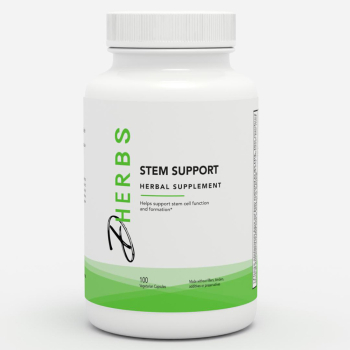
Plant-based vitamin A for everyday wellness
Essential nutritional support from herbs, greens and algae
Vitamin A provides a plant-based approach to supporting one of the body's essential vitamins. Instead of centering the formula around isolated synthetic ingredients, we combine herbs, vegetables, berries and nutrient-rich algae that naturally contain carotenoids and complementary phytonutrients.
Vitamin A plays important roles throughout the body. It contributes to normal vision, immune function, reproduction, growth and development and helps maintain healthy organs and tissues. Our formula is designed for people who want to complement a balanced diet with a vegan supplement built around whole botanical ingredients.
Why vitamin A matters for your eyes
Supporting normal vision from within
Vitamin A is particularly important to the visual system. The body uses vitamin A in the production of rhodopsin, a light-sensitive protein in the retina involved in seeing under low-light conditions. Vitamin A also contributes to the normal function of the cornea and conjunctival membranes.
That relationship between vitamin A and vision is why Vitamin A contains several carotenoid-rich ingredients, including carrot root, kale, spinach, spirulina and chlorella.
For people who want broader botanical eye support rather than a formula centered primarily around vitamin A nutrition, we also offer our Eye Formula. Eye Formula combines 11 botanicals selected specifically around ocular wellness, while Vitamin A focuses more directly on plant-based vitamin A nutrition and its broader roles throughout the body.*
More than an eye vitamin
Supporting skin, tissues and immune function
Although vitamin A is often associated with eyesight, its nutritional role extends well beyond the eyes. Adequate vitamin A is important for normal immune function and cellular differentiation, the process through which cells develop into specialized cell types.
Vitamin A also contributes to the maintenance of epithelial tissues, including tissues associated with the skin and the body's natural barriers.
That makes Vitamin A suitable for customers seeking broader nutritional support rather than an eye-only supplement.*
Plant sources of vitamin A explained
How beta-carotene becomes vitamin A
Plants do not provide vitamin A in exactly the same form as animal foods. Instead, many vegetables, greens and algae contain provitamin A carotenoids, especially beta-carotene.
The body can convert beta-carotene into active vitamin A according to its needs. This allows ingredients such as carrots, kale and spinach to contribute to vitamin A nutrition while keeping Vitamin A aligned with a plant-based lifestyle.*
The formula also supplies a broader spectrum of naturally occurring plant compounds. Depending on the ingredient, these include lutein, zeaxanthin, anthocyanins, chlorophyll, flavonoids and other carotenoids and polyphenols.
Vitamin A vs. preformed vitamin A
Plant carotenoids vs. retinol
Not every vitamin A supplement provides vitamin A in the same way.
Preformed vitamin A includes retinol and retinyl esters and is naturally present in animal-derived foods such as liver, fish, eggs and dairy products. Many conventional supplements also use retinyl acetate or retinyl palmitate.
Vitamin A takes a different approach. Our botanical formula uses plant ingredients associated with provitamin A carotenoids, including beta-carotene. The body can convert certain provitamin A carotenoids into vitamin A.
This distinction is especially useful for vegans and people who prefer vitamin supplementation built around herbs, vegetables and algae.
Vitamin A vs. beta-carotene
Understanding the relationship
Vitamin A and beta-carotene are closely connected, but they are not identical.
Beta-carotene is a carotenoid found naturally in many orange, yellow and dark-green plants. It is considered a provitamin A carotenoid because the body can convert it into vitamin A.
Vitamin A does not rely on carrot root alone. It combines several plant ingredients that provide carotenoids and other naturally occurring phytonutrients, creating a broader botanical approach to vitamin A support.*
Vitamin A vs. a multivitamin
Focused nutrition vs. broad daily supplementation
A multivitamin typically provides numerous isolated vitamins and minerals in one product. Vitamin A is more targeted, bringing together botanicals chosen around vitamin A nutrition and complementary phytonutrients.
Customers looking for broader nutritional variety can also explore our Multivitamin Tea, which uses a botanical tea format for more comprehensive daily nutritional support.
The choice depends on your routine. Vitamin A provides focused plant-based support, while a multivitamin-style product is designed to cover a wider range of nutrients.
Ingredients
Carrot root
Carrot root is one of the most recognizable plant sources of beta-carotene, a provitamin A carotenoid that the body can convert into vitamin A. Carrots also naturally contain alpha-carotene, lutein and other carotenoids, along with potassium and smaller amounts of vitamins C and K.
We use carrot root as one of the central ingredients in Vitamin A because its naturally occurring carotenoids complement vitamin A's role in maintaining normal vision, skin and immune function.*
Eyebright herb
Eyebright contains naturally occurring flavonoids, including compounds such as apigenin and luteolin derivatives, along with iridoid glycosides, phenolic acids and tannins. It also provides trace minerals naturally present in the plant.
Eyebright has a long history of traditional use in herbal preparations associated with eye wellness. We include it to complement the vitamin A-focused ingredients and reinforce the formula's emphasis on nutritional eye support.*
Alfalfa leaf
Alfalfa contains beta-carotene and other carotenoids, chlorophyll, flavonoids and saponins. It also naturally provides vitamin K and smaller amounts of several other vitamins and minerals, including calcium, magnesium, potassium and iron.
We use alfalfa because its broad nutritional profile complements the carotenoid-rich greens in Vitamin A while adding additional plant phytonutrients.
Bilberry leaf
Bilberry is known for naturally occurring polyphenols and flavonoids. Bilberry fruit is especially recognized for anthocyanins, while the leaves contain their own mixture of flavonoids, tannins and phenolic compounds.
We include bilberry leaf because of its traditional connection to eye wellness and its complementary antioxidant plant compounds.*
Elderberry fruit
Elderberries naturally contain anthocyanins, flavonols and other polyphenols, along with vitamin C and smaller amounts of minerals such as potassium.
We use elderberry fruit to provide additional antioxidant phytonutrients and to complement vitamin A's established role in normal immune function.*
Kale leaf
Kale naturally provides beta-carotene, lutein and zeaxanthin, along with vitamins C and K. It also contains minerals including calcium, potassium and manganese.
We include kale because dark-green leafy vegetables are important dietary sources of provitamin A carotenoids. Its lutein and zeaxanthin content also makes kale a valuable complement to a formula focused on eye nutrition.*
Dandelion leaf
Dandelion leaves contain beta-carotene and lutein, along with naturally occurring vitamins A precursors, C and K. Minerals naturally present in the leaves include potassium, calcium, iron and magnesium.
We use dandelion leaf because its combination of carotenoids, minerals and phytonutrients broadens the nutritional profile of Vitamin A.
Spinach leaf
Spinach is naturally rich in beta-carotene, lutein and zeaxanthin and provides vitamin K, folate and vitamin C. It also contains minerals such as magnesium, potassium, iron and manganese.
We include spinach as another concentrated dark-green source of carotenoids. Together with carrot and kale, it strengthens the plant-based foundation of Vitamin A.*
Spirulina algae
Spirulina naturally contains beta-carotene and other carotenoids, including zeaxanthin, as well as chlorophyll and phycocyanin. It also provides protein, iron, copper and other naturally occurring minerals.
We include spirulina because its nutrient density and carotenoid content complement the leafy greens and vegetables in Vitamin A.
An important distinction is that spirulina is not a reliable source of active vitamin B12 for humans despite sometimes being promoted as one. Its value in this formula is primarily its carotenoid, pigment, protein and mineral profile.
Chlorella algae
Chlorella contains beta-carotene, lutein, chlorophyll and other carotenoids. It also naturally supplies protein and minerals such as iron and magnesium.
We use chlorella alongside spirulina to broaden the algae-derived phytonutrient profile of Vitamin A and complement its vegetable and herbal sources of carotenoids.
Important considerations
More is not always better
Vitamin A is an essential nutrient, but that does not mean increasingly large amounts provide increasing benefits. Consider your total vitamin A intake when combining Vitamin A with multivitamins or other vitamin A-containing supplements.
The formula primarily uses plant ingredients associated with provitamin A carotenoids rather than being positioned as a high-dose preformed retinol supplement. Even so, people who are pregnant or breastfeeding, take prescription retinoid medications, have a medical condition or use multiple supplements containing vitamin A should discuss their overall vitamin A intake with a qualified healthcare professional.
Smokers, former smokers and people with substantial asbestos exposure should also seek professional guidance before using concentrated high-dose beta-carotene supplements.
100 vegetarian capsules per bottle